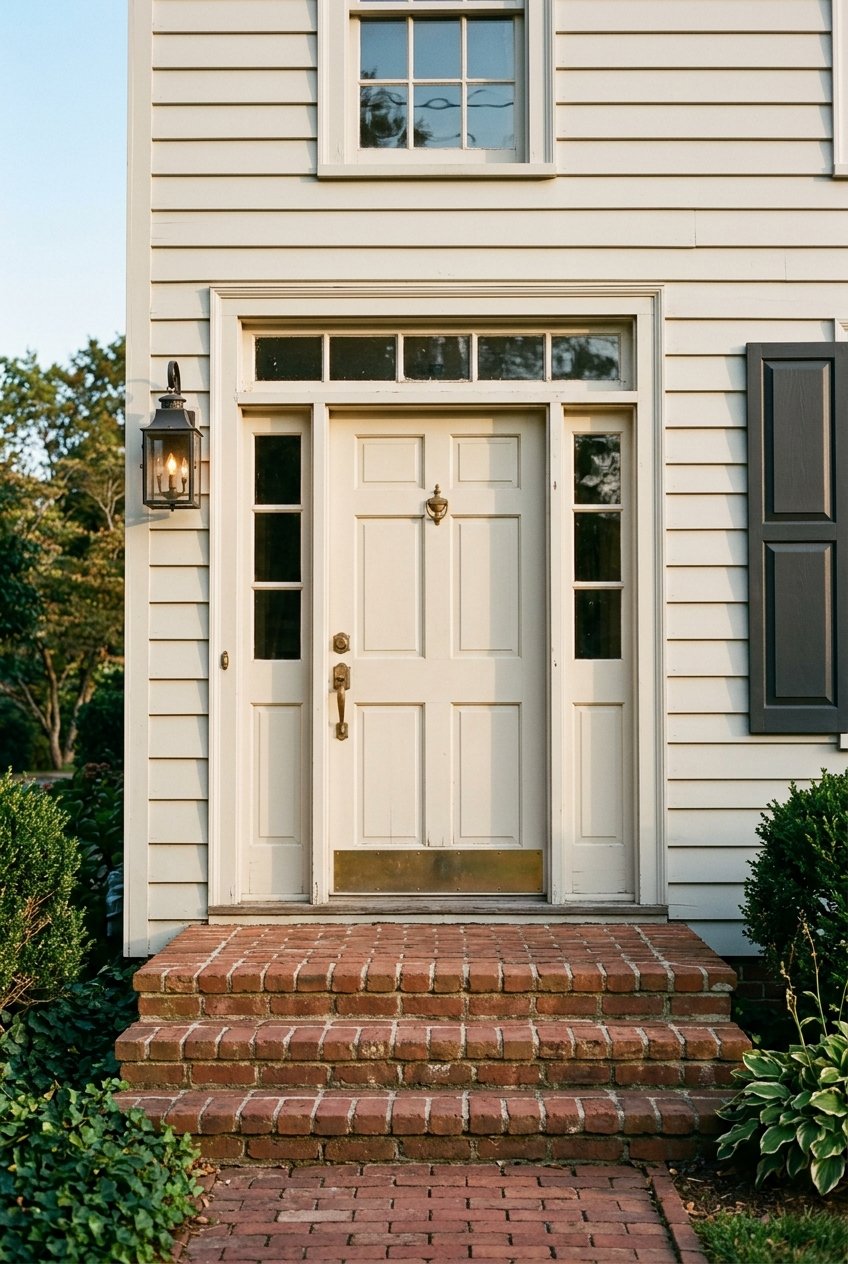
If you own a historic home in Leesburg, you may be asking yourself a tricky question: how do you sell it in today’s market without sanding off everything that makes it special? That concern is valid. Buyers want homes that feel clean, cared for, and functional, but in a place like Leesburg, they are often drawn to authenticity too. The good news is that you do not have to choose between marketability and character. With the right updates, timing, and presentation, you can showcase your home’s charm while staying aligned with local rules. Let’s dive in.
Why historic context matters in Leesburg
Leesburg’s Old & Historic District is a local zoning overlay created to protect the town’s heritage resources and historic character. The Virginia Department of Historic Resources describes the Leesburg Historic District as a 36-block historic core with homes, commercial buildings, and public structures that reflect three centuries of development.
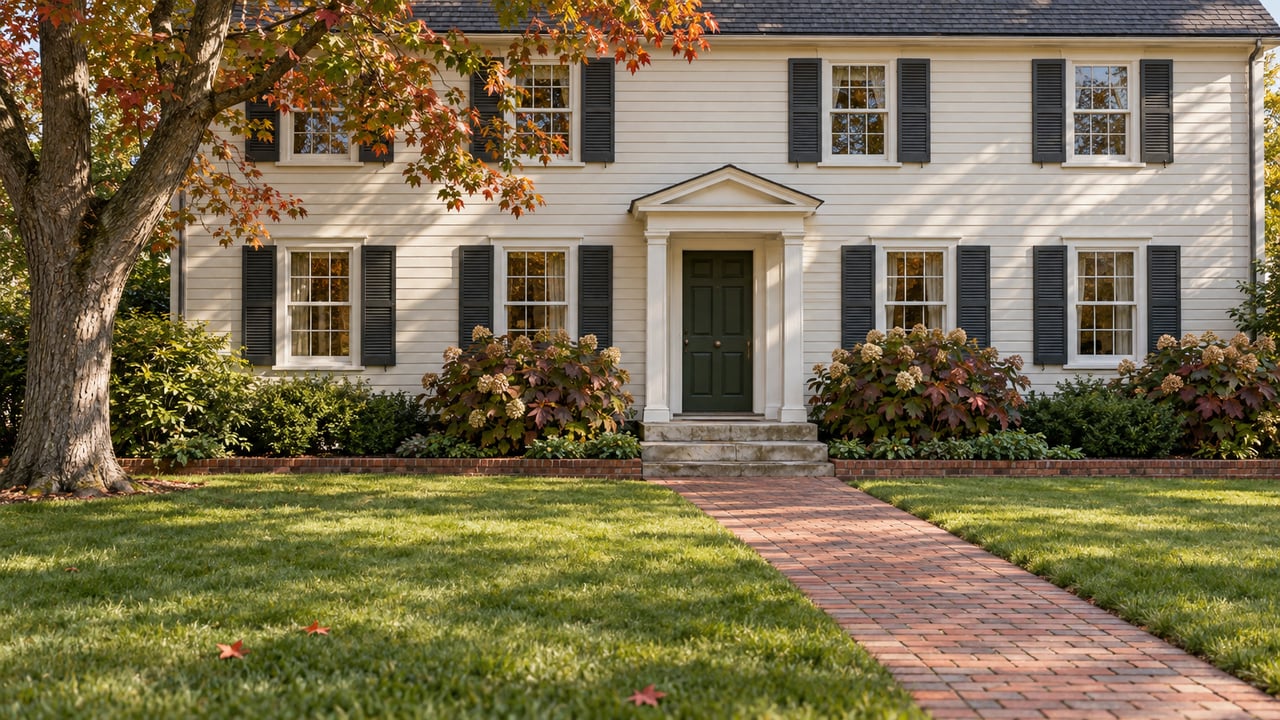
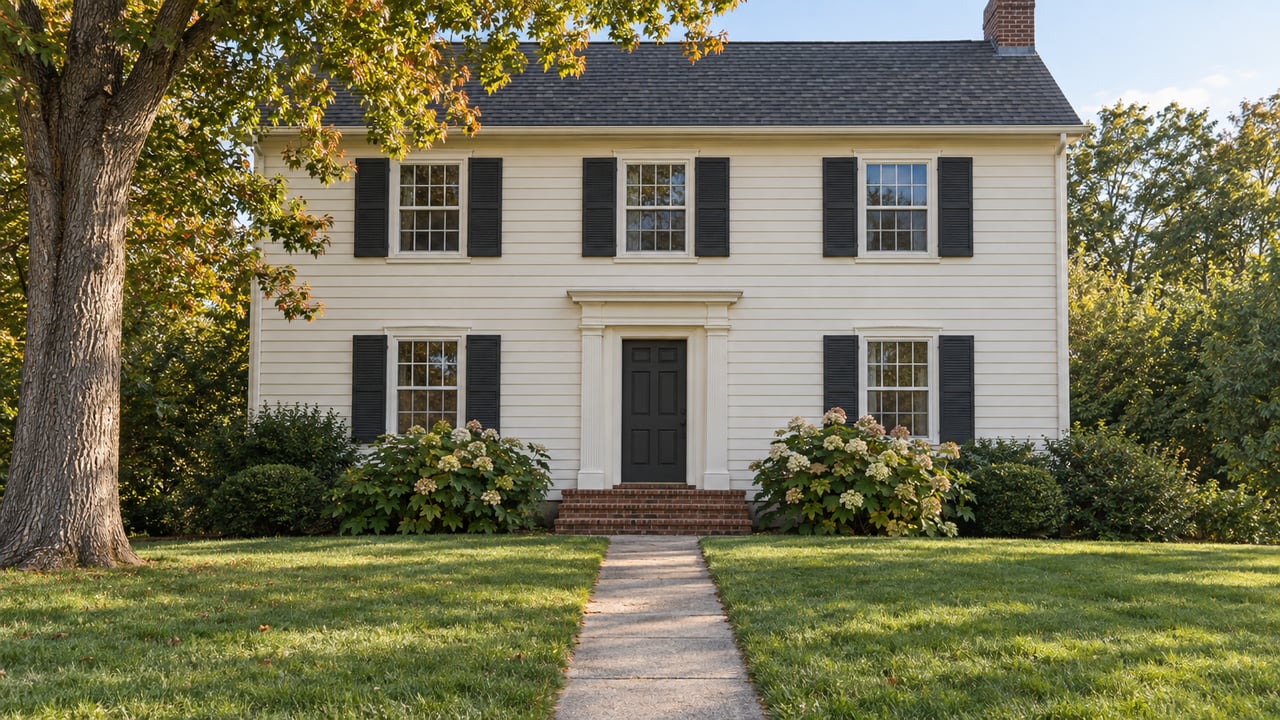
For you as a seller, that means your home is often viewed as part of a larger architectural setting, not just as an older property on its own lot. Features like porch proportions, masonry, trim, streetscape rhythm, and mature tree-lined surroundings can all shape how buyers experience the home.
Local rules matter most
One of the most important distinctions is that local regulation is different from honorary designation. According to the Town of Leesburg, the Old & Historic District is a local overlay with review authority, while National Register and Virginia Landmarks Register listings do not create local regulation by themselves.
That matters because not every historic-looking home is subject to the same approval process. Before you make any exterior changes ahead of listing, it helps to know whether your property falls within the locally regulated H-1 district and what that means for your timeline.
What you can update before listing
If you are preparing to sell, curb appeal work often comes first. In Leesburg’s historic district, some exterior projects require approval through a Certificate of Appropriateness, or COA, before work begins.
The town explains that exterior changes in the Old & Historic District may be reviewed either administratively by preservation staff or by the Board of Architectural Review, depending on the scope of work. Applications are submitted through the town’s eTRAKiT system.
Projects often allowed without review
Some pre-listing improvements are more straightforward because they are not reviewed by the historic-district program. Leesburg says these generally include:
- Landscaping
- General maintenance
- In-kind repairs
- Temporary items such as porch furniture
This is good news if your goal is to freshen the exterior without changing the home’s defining look. Thoughtful planting, routine maintenance, and small presentation upgrades can go a long way.
Projects that may qualify for administrative approval
The town also notes that some visible changes can often be handled administratively, which is usually simpler than going before the full board. Examples include:
- Fences
- Driveway and walkway work
- Light fixtures
- Exterior paint scheme changes
- Certain small rear-yard improvements
Even so, you should confirm the approval path before starting work. A quick cosmetic project can still affect your listing timeline if approvals are needed.
Projects that may need board review
Larger or more visible changes are more likely to go to the Board of Architectural Review. Leesburg specifically points to:
- Window replacements
- Additions
- New construction
If you are considering these types of projects before selling, build extra time into your plan. The town says BAR meetings are held on the third Wednesday of each month, with work sessions on the first Monday as needed. The town also notes that a Leesburg zoning permit is required before Loudoun County can issue a building permit for applicable work, so the sequence matters.
Focus on repair before replacement
When sellers get ready for market, it is easy to assume newer always sells better. For historic homes, that is not always the best approach.
The National Park Service guidance on rehabilitation takes a repair-first, character-first view. It emphasizes preserving a structure’s integrity and character, protecting historic materials and features, repairing them when possible, and replacing them only when repair is not feasible.
For you, that can translate into a practical pre-listing strategy: reveal the original details instead of covering them up. Buyers touring a historic Leesburg home may remember the staircase, trim, fireplaces, porch, or masonry far more than a trendy finish that could appear out of place.
Character sells when buyers can see it
In a historic setting, presentation should help the architecture stand out. That usually means less clutter, more light, and a consistent visual story from room to room.
Try to draw attention to features such as:
- Original millwork and trim
- Stair details and banisters
- Fireplaces and mantels
- Tall windows and natural light
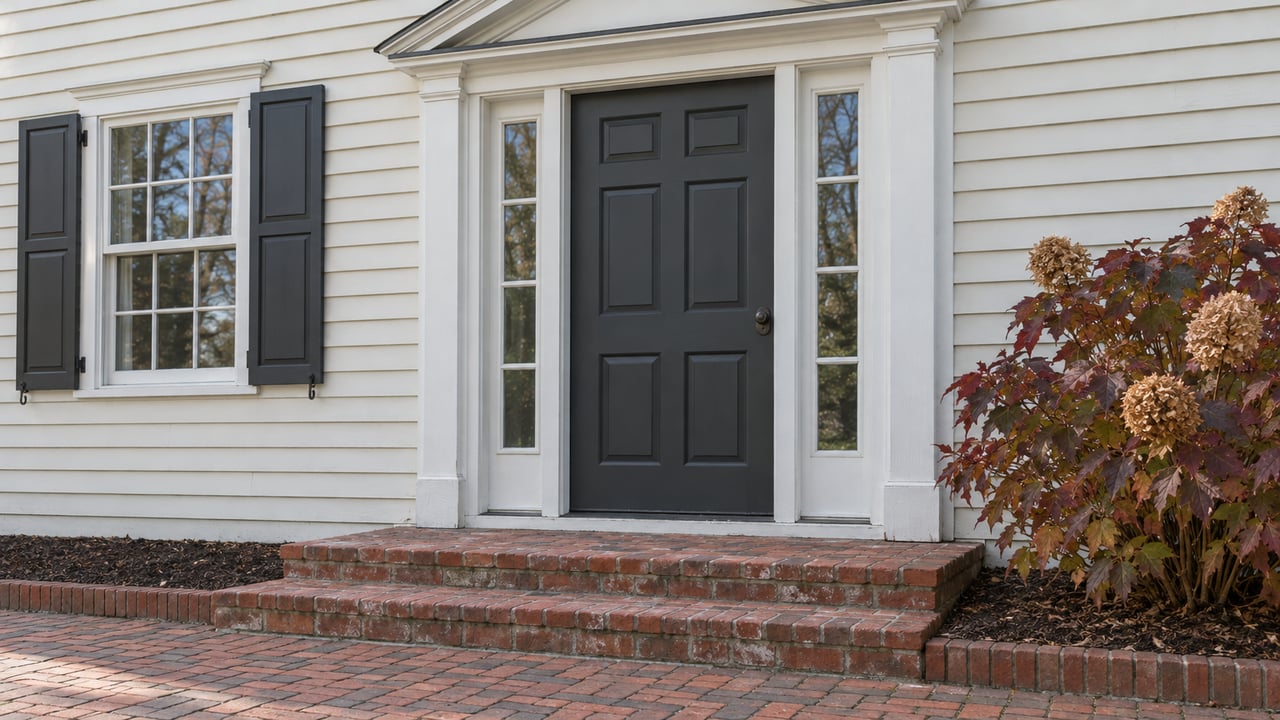
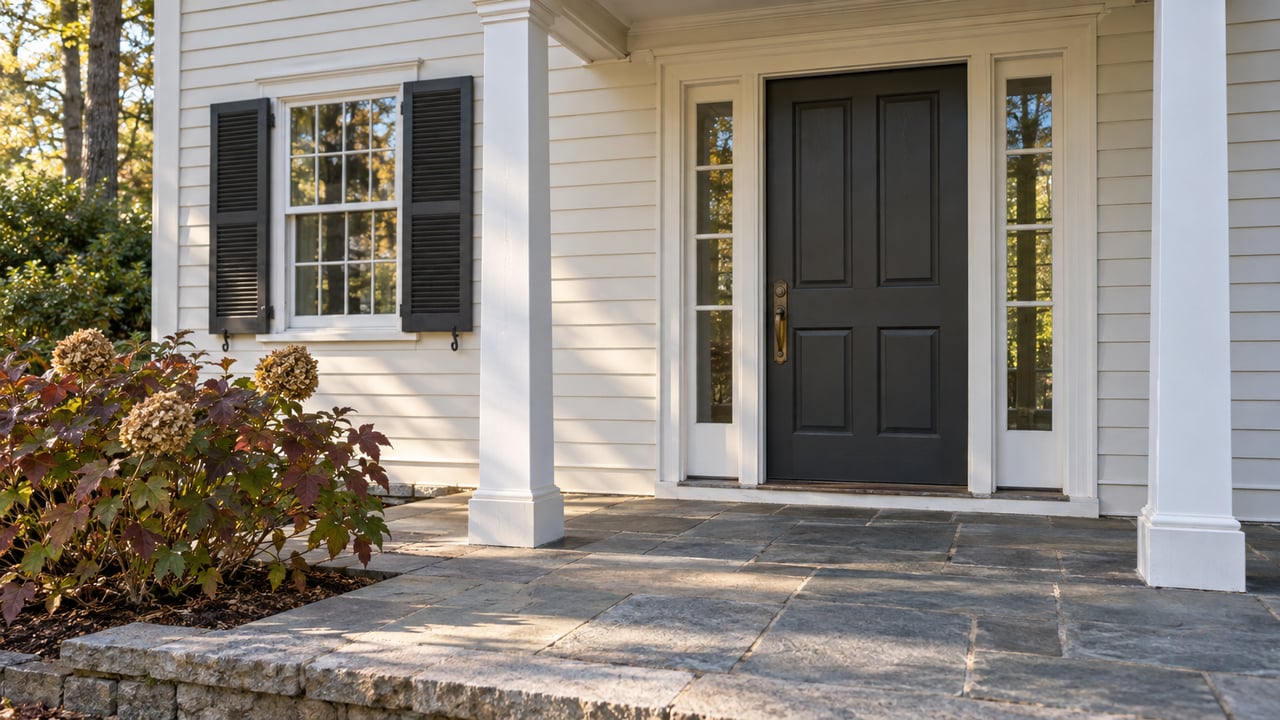
- Porch scale and entry details
- Historic brick, wood, or masonry elements
This approach helps your home feel fresh without making it feel generic.
Stage the home, not over the home
Staging can be especially helpful when you are selling a historic property. According to the National Association of Realtors 2025 Profile of Home Staging, 29% of agents said staging led to a 1% to 10% increase in the dollar value offered, and 49% said staging reduced time on market.
The same report found that staging most often helps buyers visualize the property as a future home. It also found that the rooms most commonly staged were the living room, primary bedroom, dining room, and kitchen, while decluttering, cleaning, and curb appeal were among the most common recommendations.
Best staging moves for a historic Leesburg home
For a historic property, the goal is not to make every room look brand new. The goal is to make the home easier to understand and easier to imagine living in.
A strong staging plan often includes:
- Removing oversized furniture that hides room scale
- Using neutral textiles and simple accessories
- Keeping sightlines open to original details
- Adding lighting that brightens darker corners
- Styling porches and outdoor areas with temporary furnishings
- Limiting décor that competes with period features
Temporary furnishings and accessories are often better than permanent changes because they freshen the home without triggering historic review. In many cases, that is a smarter and faster path to market.
Price with the market, not just the story
Historic appeal can absolutely attract buyers, but charm alone does not set value. Buyers still compare condition, presentation, and price against other available options.
According to Realtor.com market data for Leesburg, the median home sale price in February 2026 was about $855,000, the median time on market was 22 days, the sale-to-list ratio was 100%, and the market was balanced. Realtor.com also showed just 2 active listings in Leesburg’s Old & Historic District at that time.
That does not guarantee a result for any individual home. It does suggest that well-presented homes can attract strong attention, while pricing still needs to reflect what buyers are seeing in the market right now.
Historic value needs a practical strategy
If your home has distinct historic details, those features may strengthen buyer interest. But they work best when paired with a smart pricing strategy and polished presentation.
This is where a local comparative market analysis can help. Instead of relying on age or charm alone, you want to position the home based on recent market behavior, current competition, condition, and the features buyers will actually compare.
Plan larger work carefully
Some sellers wonder whether they should complete a major rehabilitation before listing. In certain cases, that may make sense, but timing and eligibility can matter.
The Town of Leesburg says there is no separate historic-district tax. However, the Virginia Department of Historic Resources tax credit program may be relevant for qualifying rehabilitation work. DHR states that the state credit is 25% of eligible rehabilitation expenses, and owner-occupied residential projects must meet a threshold of at least 25% of the building’s assessed value before work begins.
DHR also notes that owners should avoid selling before final certification if they want to preserve state-credit eligibility. Federal historic rehabilitation credits are generally for income-producing buildings, and DHR says those credits can be recaptured if the building is sold or loses income-producing status within five years.
Why timing matters before you list
The main takeaway is simple: if you are considering substantial work, do not treat it like a quick cosmetic project. Historic review, permits, contractor scheduling, and possible tax-credit rules can all affect your timeline.
In many cases, a seller benefits more from targeted repairs, thoughtful staging, and precise pricing than from rushing into a major renovation right before going to market.
Every historic home is judged individually
One of the most helpful points in Leesburg’s guidance is that each property is evaluated on its own age, style, and context. The town specifically says historic neighborhoods developed organically, a house does not need to look like its neighbor, and non-contributing structures can often use newer materials, alternative designs, and more flexible review standards.
That is encouraging if you are worried your home has to fit a rigid mold to sell well. It does not. Your goal is not to erase the home’s quirks or force it to look newly built. Your goal is to present it in a way that feels cared for, compatible, and easy for buyers to appreciate.
Sell the charm with a clear plan
Selling a historic Leesburg home well usually comes down to a few smart decisions. Know which updates need review, focus on repair over unnecessary replacement, stage to highlight original character, and price based on the market you are entering now.
When those pieces come together, your home can stand out for the right reasons. If you want a tailored strategy for timing, pricing, staging, and pre-listing improvements, Gwak Homes can help you build a clear plan that respects your home’s character while preparing it for a strong sale.
FAQs
What exterior changes need approval for a historic home in Leesburg?
- In Leesburg’s Old & Historic District, exterior changes may require a Certificate of Appropriateness before work begins. Window replacements, additions, and new construction are more likely to require Board of Architectural Review review, while some smaller projects may be handled administratively.
What maintenance can you do without review in Leesburg’s Old & Historic District?
- The Town of Leesburg says landscaping, general maintenance, in-kind repairs, and temporary items like porch furniture are not reviewed by the historic-district program.
How is Leesburg local historic regulation different from National Register listing?
- Leesburg’s Old & Historic District is a local zoning overlay with review authority. National Register and Virginia Landmarks Register listings are honorary designations and do not create local regulation by themselves.
Can you stage a historic Leesburg home without changing its character?
- Yes. A strong approach is to declutter, brighten rooms, use temporary furnishings and accessories, and highlight original features like trim, fireplaces, stair details, and porches rather than covering them with permanent changes.
Is there a special historic-district tax in Leesburg?
- No. The Town of Leesburg says there is no separate or special historic-district tax, though qualifying rehabilitation projects may be eligible for the Virginia Historic Rehabilitation Tax Credit.
Can non-contributing homes in Leesburg’s historic district use newer materials?
- In some cases, yes. The town says non-contributing structures can often use newer materials, alternative designs, and more flexible review standards, but each property is evaluated individually.
Should you renovate a historic Leesburg home before selling?
- It depends on the scope of work, timing, and your goals. Many sellers benefit more from targeted repairs, staging, and pricing strategy than from major last-minute renovations that may require review and permits.