If your Ashburn home is going to compete online before buyers ever step through the door, presentation matters more than many sellers realize. Even in a market where homes still move quickly, buyers are comparing photos, layouts, and overall condition within seconds. The good news is that smart staging does not have to mean a full redesign. With the right priorities, you can make your home feel brighter, cleaner, and easier to picture as someone’s next move. Let’s dive in.
Why staging matters in Ashburn
Ashburn remains a competitive market, even as pricing has moderated. Redfin’s March 2026 snapshot showed a median sale price of $659,990, 19 median days on market, an average of 3 offers, and a 101.2% sale-to-list ratio. Realtor.com also described Loudoun County as a seller’s market in March 2026, with homes selling at roughly asking on average.
That kind of market can tempt sellers to think staging is optional. But when homes are moving fast and buyers are comparing multiple options, small presentation details can shape how quickly your home gets attention and how strongly buyers respond.
Online first impressions come first
Most buyers start their search online. In the National Association of Realtors 2024 buyer survey, 52% of buyers found the home they purchased on the internet, and photos were the most useful website feature for nearly nine in 10 buyers age 58 and under.
That makes staging more than a showing strategy. It is also a photography strategy. Your home needs to look clean, open, and easy to understand on a screen long before a buyer schedules a tour.
NAR’s 2025 Profile of Home Staging also found that 83% of buyers’ agents said staging made it easier for buyers to picture the property as their future home. Sellers’ agents reported that staging often helped reduce time on market, and 29% said they saw a 1% to 10% increase in the dollar value offered.
Start with the highest-impact basics
Before you think about furniture placement or decorative accents, focus on the work that creates the biggest visible difference. According to NAR, the most common recommendations from sellers’ agents were decluttering, whole-home cleaning, and improving curb appeal.
These first steps matter because they affect both listing photos and in-person showings. A clean and simplified home tends to feel more spacious, better maintained, and more move-in ready.
Declutter every visible surface
Start by removing extra items from counters, shelves, tables, and entry areas. You want buyers to notice the home itself, not your daily routines or storage challenges.
In Ashburn, where many homes offer generous square footage but still need to photograph well, visual clarity matters. Clean surfaces and open sightlines help rooms feel larger and more functional in photos.
Deep clean before media day
A standard tidy-up is not enough for listing launch. Floors, baseboards, windows, bathrooms, kitchen surfaces, and light fixtures should all be cleaned with photos and showings in mind.
A polished home reads better online and in person. Buyers may not comment on spotless grout or streak-free windows, but they notice the overall feeling of care.
Refresh curb appeal early
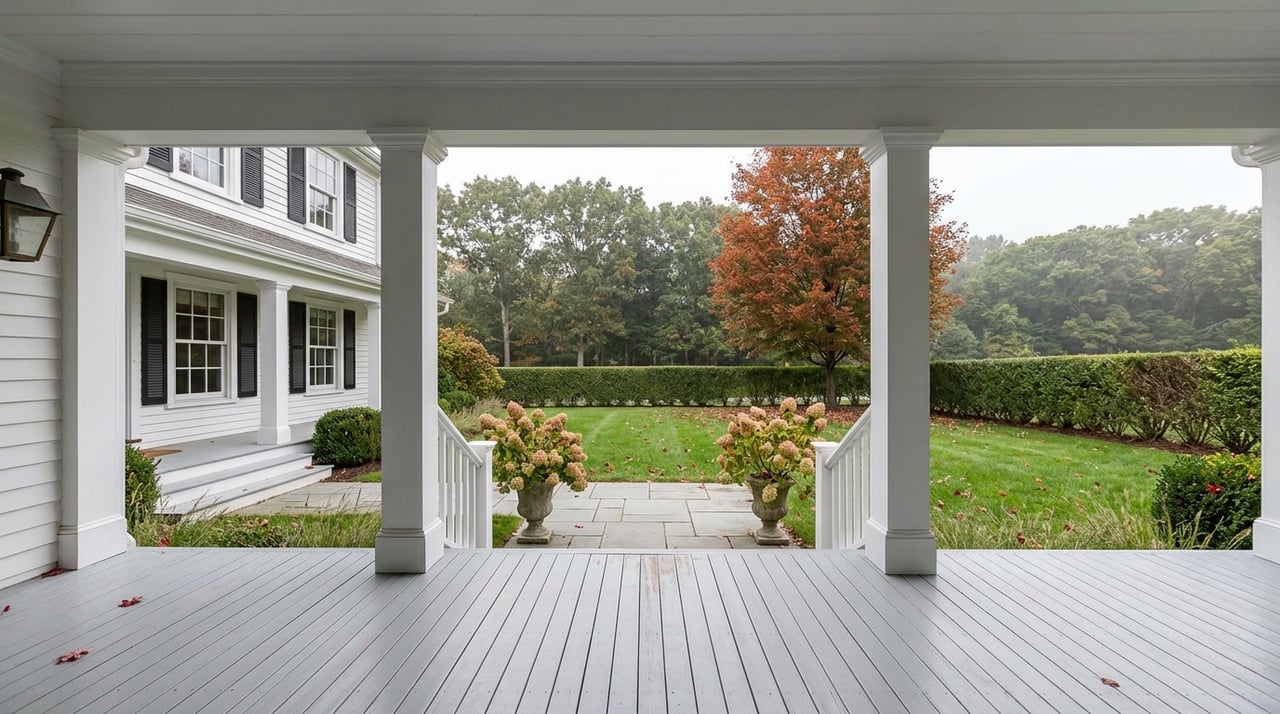
Your exterior often appears first in the photo sequence, so it sets the tone. Trim landscaping, clear walkways, tidy the front porch, and make sure the entry feels simple and welcoming.
Because exterior and entry images help drive clicks, this is one of the smartest places to invest time before going live. Even a competitive market rewards a strong first impression.
Stage the rooms buyers notice most
Not every room needs the same level of attention. NAR found the most commonly staged spaces were the living room, primary bedroom, dining room, and kitchen. Bathrooms, home office spaces, and outdoor areas also mattered, while guest rooms and children’s bedrooms were staged less often.
For most Ashburn sellers, that means your best effort should go toward the spaces that shape the strongest first impression and the clearest daily lifestyle picture.
Living room
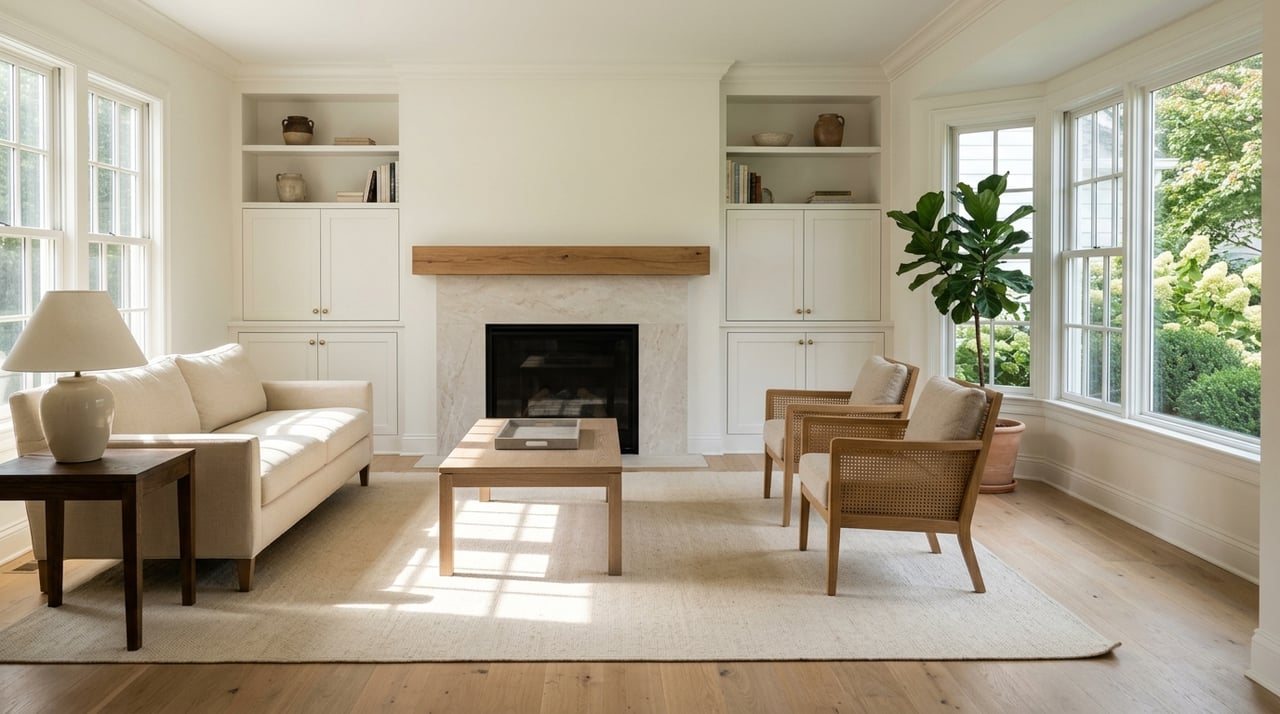
The living room is often where buyers judge scale, comfort, and flow. Keep furniture arranged to show conversation space and easy movement, not maximum seating.
If the room feels crowded, remove pieces rather than trying to use every item you own. A slightly lighter layout usually photographs better and helps buyers understand the room’s size.
Kitchen
The kitchen should feel open, bright, and ready for everyday use. Clear counters as much as possible, remove magnets and papers, and keep decor minimal.
If you have an island, let it read as workspace rather than storage. A few simple touches are enough, but clutter can quickly make even a large kitchen feel busy.
Primary bedroom
The primary bedroom should feel calm and uncluttered. Use simple bedding, limit furniture to what fits comfortably, and remove personal items from dressers and nightstands.
Buyers respond well to rooms that feel restful and spacious. A neat, neutral presentation also helps the suite feel more polished in listing photos.
Dining room
Dining rooms do not need heavy styling, but they should have a clear purpose. If the space is currently being used for storage, hobbies, or overflow furniture, restore it to a simple dining setup before launch.
This is especially helpful in photos because it helps buyers understand the layout right away. Defined spaces make homes feel more functional.
Bathrooms and office space
Bathrooms benefit from the same strategy as kitchens: less is more. Clear counters, fresh towels, and a spotless finish go a long way.
If your home includes an office or flex space, stage it with a clear use in mind. Many buyers want to understand how a bonus room could function, so simple, purposeful furniture can help.
Match staging to the home type
Loudoun County’s 2026 assessment presentation showed townhouses averaging 18.2 days on market compared with 23.7 days for single-family homes. While that does not prove staging causes the difference, it suggests that layout presentation can matter in different ways depending on the property type.
For Ashburn townhomes, focus on sightlines, smart storage cues, and light, neutral finishes. These homes often benefit from showing how well each level flows and how efficiently space is used.
For single-family homes, you may have more room to highlight gathering areas and outdoor living. Family rooms, kitchens, and backyard spaces can help tell a fuller story about how the home lives day to day.
Use neutral, flexible styling
One of the biggest staging goals is helping buyers imagine themselves in the home. That usually means choosing a clean, neutral presentation instead of bold, highly personal styling.
You do not need to remove all warmth or character. You just want the home to feel broadly appealing, easy to understand, and not tied too closely to one taste or lifestyle.
A few practical ways to do that include:
- Keep wall art simple and limited
- Use light bedding and towels
- Remove overly personal photos and memorabilia
- Minimize toys, pet items, and excess storage bins
- Create open walking paths in every room
Do not rely on virtual staging alone
Virtual staging can be useful in certain cases, especially for vacant rooms. But it works best as a supplement, not a replacement for physical staging.
NAR found that buyers’ agents considered traditional physical staging more important than virtual staging. If buyers arrive and the real home feels very different from the listing images, the showing experience can lose momentum.
That is why physical preparation still matters most. Virtual tools can support the marketing plan, but they should not do all the work.
Coordinate staging with your launch plan
Staging is most effective when it is part of a full listing rollout, not a last-minute add-on. NAR found that photos, videos, physical staging, and virtual tours all ranked as important listing features, and floor plans were rated very useful by 47% of internet-using buyers.
In practice, that means your prep work should happen in the right order. Clean first, stage second, and schedule photography and media once the home is fully ready.
A strong launch plan often includes:
- Decluttering and whole-home cleaning
- Curb appeal touch-ups
- Staging key rooms
- Professional photography and video
- Optional floor plans or virtual tours where useful
- Listing distribution once everything is aligned
When this work is coordinated well, your home enters the market with a sharper first impression and a more consistent buyer experience.
Focus your budget where it counts
You do not need to stage every corner of the house to get results. NAR’s staging data suggests the biggest return usually comes from the main living spaces, primary bedroom, kitchen, dining area, and exterior presentation.
That is good news if you want to be strategic. Instead of spreading time and money evenly across every room, focus on the spaces buyers are most likely to notice in photos and remember after a showing.
For many Ashburn sellers, the best staging plan is not the most elaborate one. It is the one that makes the home feel clean, bright, and easy to picture from the very first click.
If you are preparing to sell in Ashburn, the right staging strategy can help you present your home with less guesswork and more confidence. Gwak Homes offers seller representation, professional media and staging support through an interior design partner, and a concierge-style approach that helps bring every part of the launch together.
FAQs
What staging tasks should Ashburn sellers do first?
- Start with decluttering, whole-home cleaning, and curb appeal improvements. These are the most commonly recommended first steps and usually create the biggest visible impact.
Which rooms matter most when staging an Ashburn home?
- The top priorities are usually the living room, primary bedroom, dining room, kitchen, and exterior spaces. These rooms tend to matter most in listing photos and buyer impressions.
Is virtual staging enough for an Ashburn listing?
- Usually no. Virtual staging can help with vacant rooms, but buyers’ agents place more value on physical staging, so the home should still look strong in person.
Do all rooms need to be staged before listing in Ashburn?
- No. Not every room needs equal investment. Main living spaces typically matter more than guest bedrooms or children’s bedrooms.
Why does staging matter if Ashburn is still competitive?
- Because buyers still compare homes quickly online, and strong presentation can help your home stand out, support faster interest, and potentially improve the offer response.