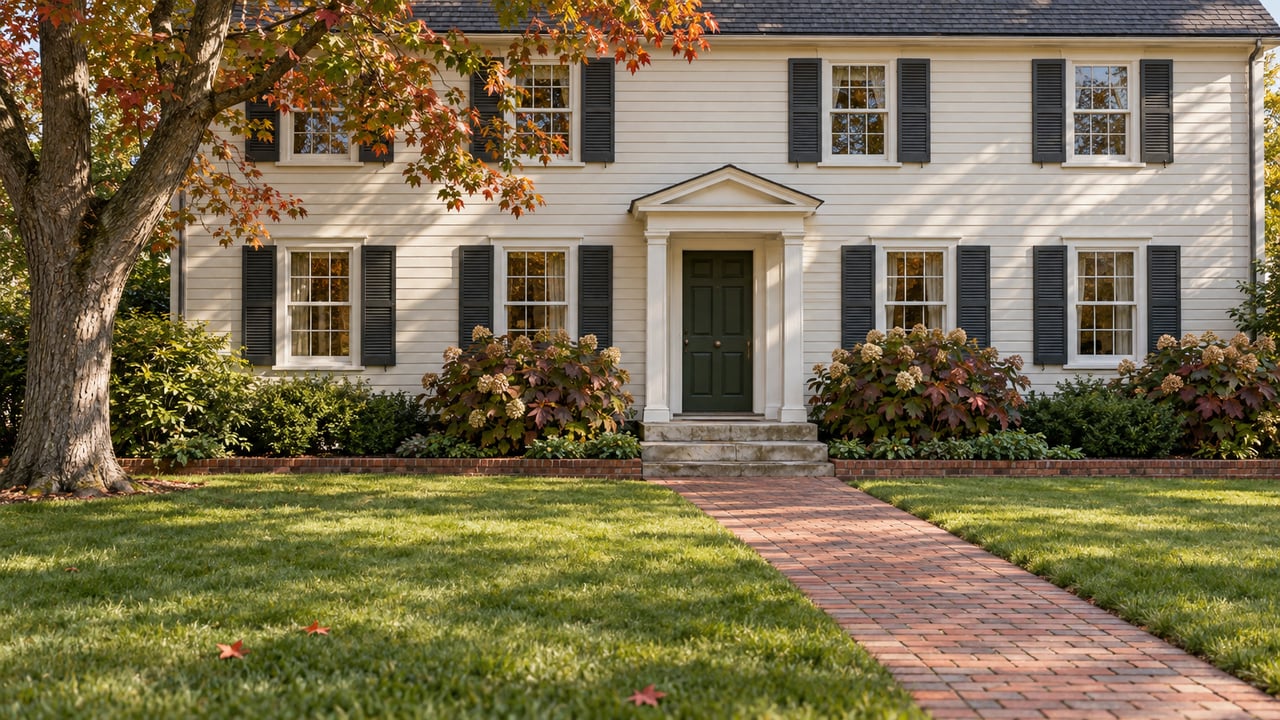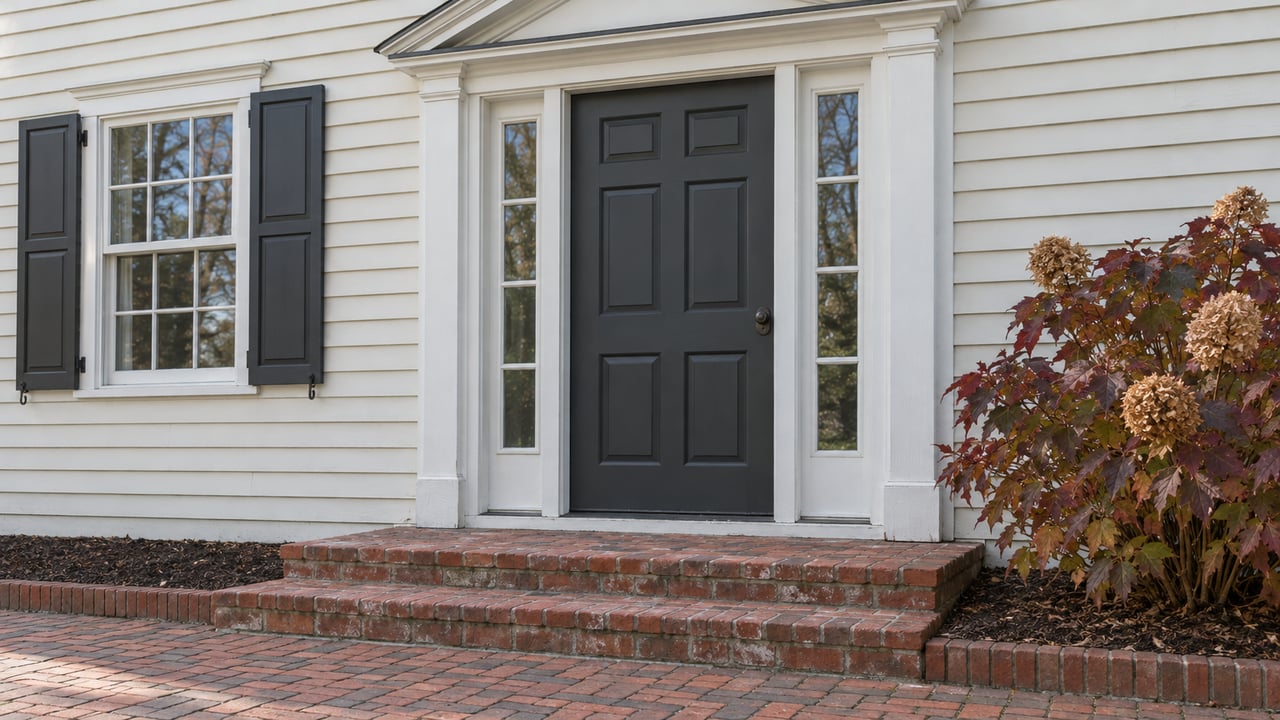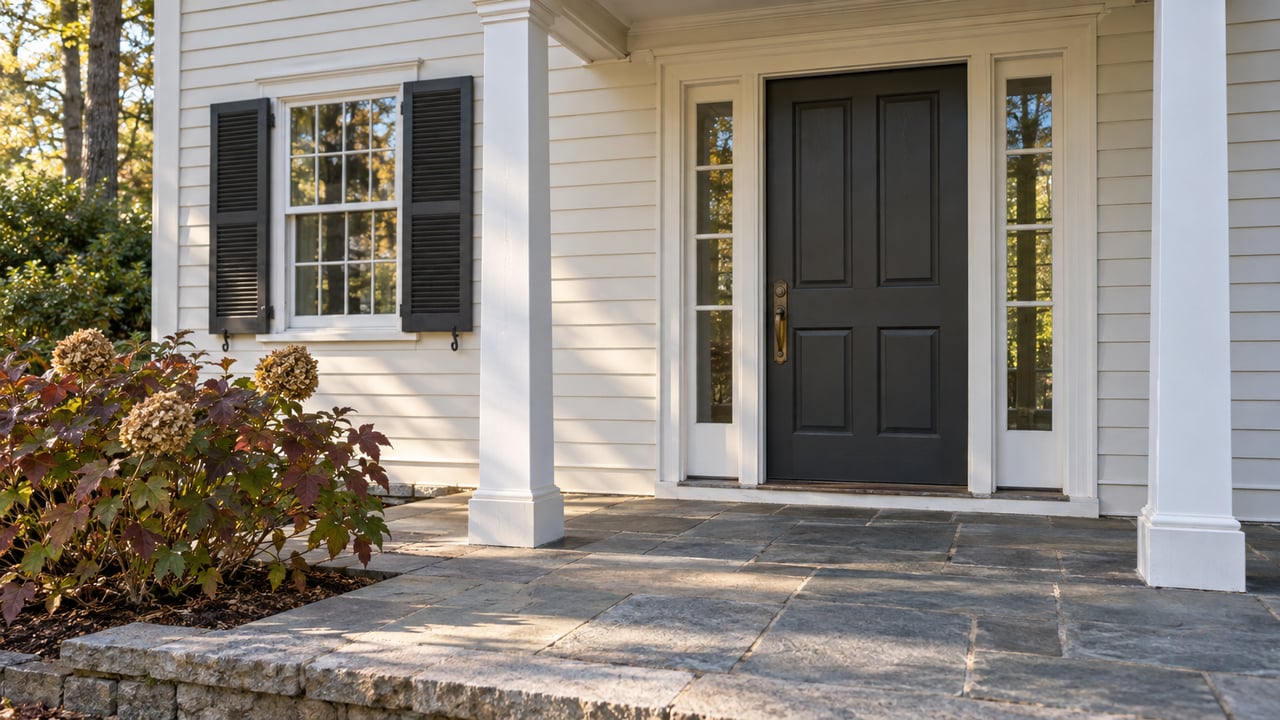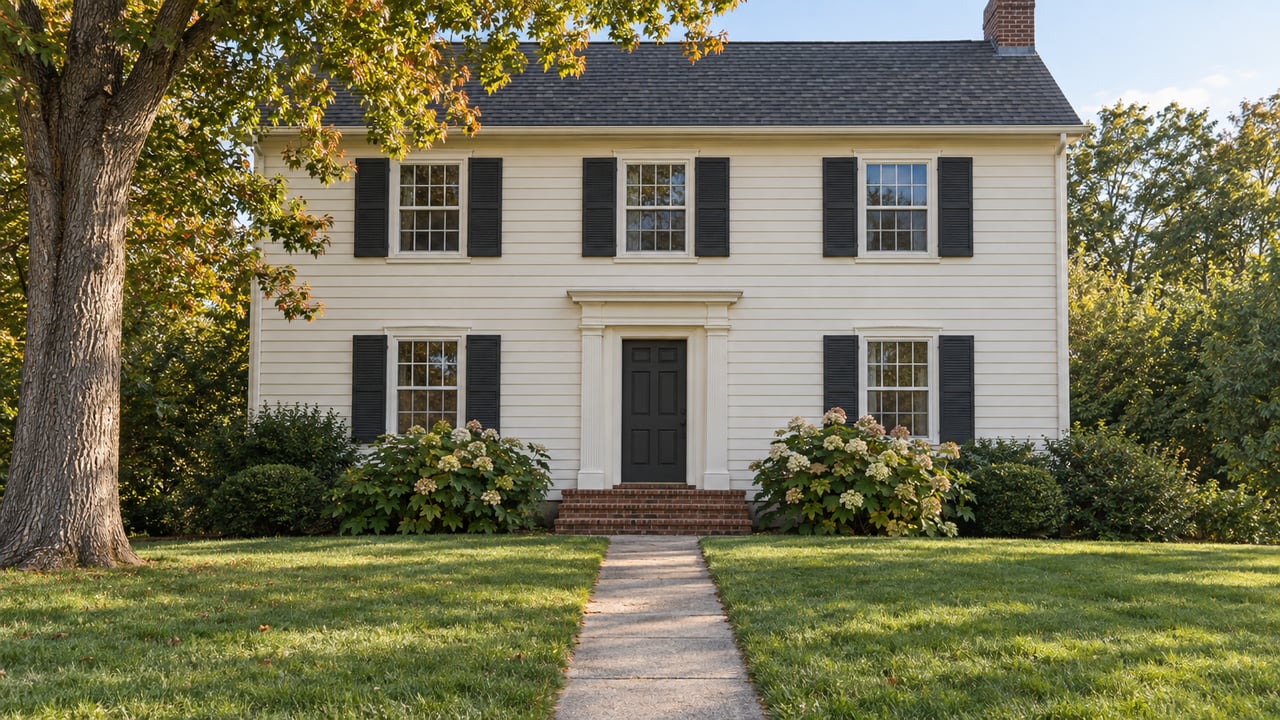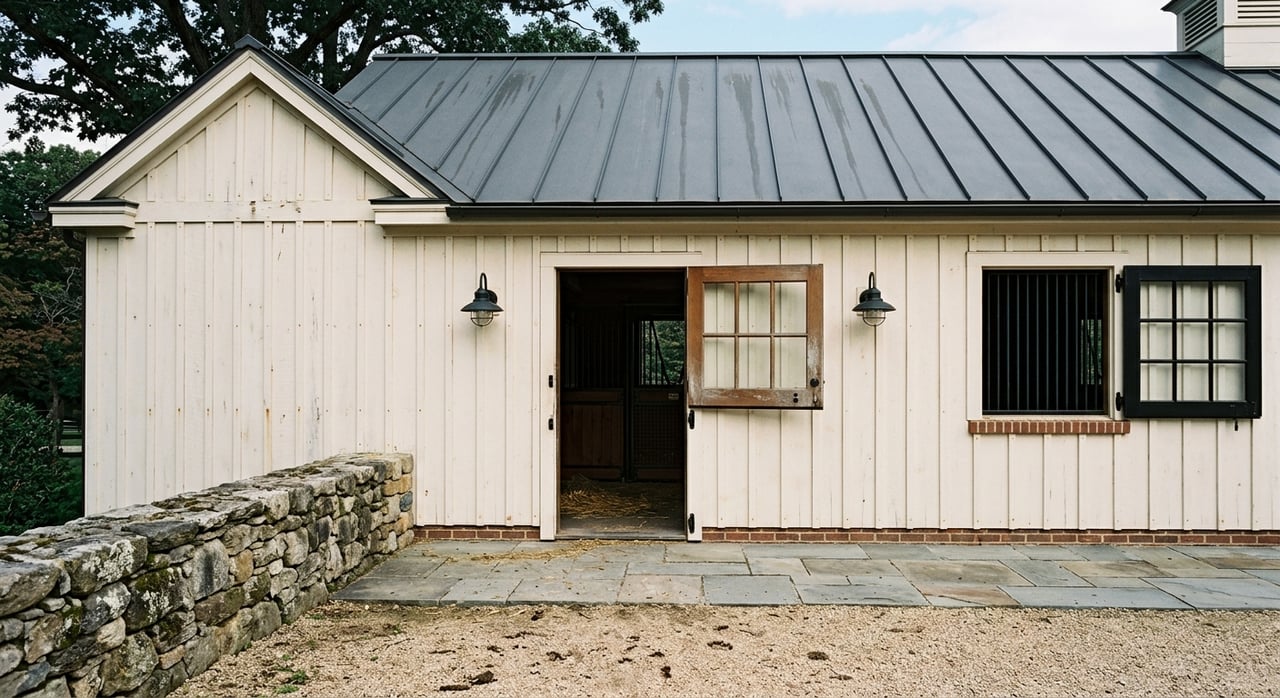
Dreaming about a stone cottage near the village, a farmhouse on open acreage, or a horse-ready property with room to breathe? In Middleburg and Upperville, buying a retreat is not quite like buying in a typical Northern Virginia neighborhood. You need to look beyond the house itself and understand how historic rules, land-use programs, private utilities, and conservation limits can shape what you actually own and what you can do next. Let’s dive in.
Why this market feels different
Middleburg and Upperville sit within a long-established hunt-country setting, not a standard suburban pattern. The Town of Middleburg traces its founding to 1787 and notes its identity as the Nation’s Horse and Hunt Capital, while the Upperville Colt & Horse Show dates to 1853 and is recognized as the oldest horse show in the United States.
That history matters because it still shows up in how properties are used and valued today. You are often buying into a landscape shaped by horse pastures, hunt grounds, and rural land preservation, not just a home with scenic views.
Know the three main property types
If you are searching in Middleburg and Upperville, it helps to sort listings into three broad categories. Each one comes with a different set of practical questions.
In-town historic homes
In Middleburg’s town core, the appeal is often proximity to shops, restaurants, and the established streetscape. But these homes can come with historic-district review that you would not usually see in a suburban subdivision.
The Historic District Review Committee requires Certificates of Appropriateness for many exterior changes visible from a public street, including additions and new outbuildings or site features. The Town also says items such as fences, sheds, home occupations, and tree removal may require zoning-related review or permits.
Country retreats on acreage
Outside town, you are usually evaluating the land as much as the residence. Open acreage can offer privacy and flexibility, but it may also come with tax treatment, land-use restrictions, or infrastructure differences that need close review.
In these areas, the questions often shift from finishes and floor plans to how the parcel functions. You may need to understand whether the property is in a land-use assessment program, whether it relies on a private well and septic system, and what changes are realistic over time.
Horse properties and farms
Some properties are better viewed as working or horse-oriented assets, even if you plan to use them as a retreat. In this part of Loudoun and nearby Fauquier, horse pastures, hunt grounds, and equestrian traditions are part of the local landscape.
That means a scenic setting alone is not enough. If horses are part of your plan, you will want to study how the property supports pasture use, access, and containment, along with any limits on improvements.
Utilities can change by location
One of the biggest differences between in-town and country properties is basic infrastructure. Inside Middleburg’s corporate limits, the Town provides public water and sewer service.
Outside town, many properties rely on private systems instead. That can affect maintenance, inspections, and your overall due diligence timeline.
Well and septic deserve extra attention
If you are buying acreage, private water and wastewater systems should be a major part of your review. The Virginia Department of Health says a well inspection or water-quality test is not required by law for a property transfer, but localities and lenders may require them.
Virginia guidance also makes clear that private water supplies are the owner’s responsibility. In practical terms, that means you should treat well water quality, septic care, and system condition as central issues, not side notes.
A property can look perfect on first showing and still require a closer look below the surface. For many buyers, this is one of the biggest adjustments when moving from a suburban home search into hunt country.
Land-use assessment can affect taxes
Acreage can come with tax advantages, but those benefits may carry strings attached. Loudoun County offers land-use assessment for qualifying agriculture, horticulture, forestry, and open-space land, and Fauquier County has a similar use value assessment program based on land use rather than market value.
Those programs can reduce taxable value on qualifying land. But they are tied to how the land is actually used, which means future plans matter.
What rollback taxes mean
If a property in Loudoun changes use, is rezoned more intensively, or is split in a way that affects eligibility, rollback taxes may apply. Loudoun also notes that split lots still need to meet minimum acreage and use requirements to continue qualifying.
Fauquier says a change from qualifying land use to non-qualifying use triggers a rollback assessment equal to the deferred tax plus interest for five years plus the current year. For a buyer, that means the low current tax bill may not tell the full long-term story.
Why your future plans matter
Before you buy, it is wise to ask a simple question: What do you want this property to become? If you may divide the land, change the use, or stop qualifying activity, the tax picture could shift.
This is why acreage purchases need a more strategic review than a standard home purchase. The goal is not just to understand today’s numbers, but also to see how your plans align with county rules.
Conservation easements are a major factor
In Middleburg and Upperville, conservation easements are not unusual. Virginia’s Department of Forestry defines a conservation easement as a voluntary agreement that permanently limits future development to protect conservation values.
Virginia Outdoors Foundation explains that open-space easements can still allow compatible uses such as farming, forestry, recreation, wildlife habitat, and other uses allowed by the deed. In other words, an easement does not mean you do not own the land, but it can permanently shape what you can build, divide, or alter.
Review the recorded restrictions carefully
An easement property should be reviewed as a legal parcel, not just a beautiful one. Key questions include what development rights were retained, whether subdivision is allowed, and whether the recorded deed creates future resale or tax implications.
Fauquier County notes that easement deeds are recorded in the circuit court records room. That makes document review an essential step, especially if your vision includes future construction, guest structures, or lot changes.
Historic review can affect simple upgrades
If you are focused on a home in Middleburg proper, do not assume future changes will be easy just because they seem minor. Many exterior changes visible from the street may require approval through the Town’s historic review process.
That includes projects buyers often think of as routine, such as certain fences, sheds, additions, or site features. Reviewing the site plan, prior improvements, and approval history can help you avoid surprises after closing.
How to evaluate a hunt country retreat
This market rewards buyers who look at the full property story. A polished kitchen and beautiful views matter, but they are only part of the decision.
A practical review should include:
- Whether the property is in town or on county acreage
- Whether water and sewer are public or private
- Whether the land is in a land-use assessment program
- Whether any conservation easement affects development rights
- Whether the property sits in Middleburg’s historic district
- Whether horse-related use is realistic based on pasture, access, and containment
When you line up these issues early, you can compare properties more clearly. That makes it easier to decide whether a listing is a charming weekend escape, a long-term country home, or a property with more limits than expected.
What smart buyers do before making an offer
In a market like this, due diligence starts before contract terms are written. You want to know not only whether you love the setting, but also whether the property fits your lifestyle and future plans.
A strong process usually includes reviewing utility setup, checking for land-use status, confirming any easement or historic-review issues, and understanding how the parcel is meant to function. That kind of preparation can save time, protect your flexibility, and give you more confidence when you move forward.
Buying in Middleburg or Upperville can be deeply rewarding, especially if you want a home with character, land, and a true sense of place. The key is making sure the retreat you choose works as beautifully on paper as it does in person.
If you are exploring a purchase in Loudoun’s hunt country and want clear, practical guidance from search to closing, Gwak Homes can help you evaluate the details with care and confidence.
FAQs
What makes buying in Middleburg and Upperville different from suburban Northern Virginia?
- Properties here often involve historic-district review, private well and septic systems, land-use assessment rules, conservation easements, or horse-property considerations that are less common in standard suburban neighborhoods.
What should buyers know about Middleburg historic district rules?
- In Middleburg’s historic district, many exterior changes visible from a public street require a Certificate of Appropriateness, and items like fences, sheds, and tree removal may also need review or permits.
Do Middleburg and Upperville country homes usually have public water and sewer?
- Not always. The Town of Middleburg provides public water and sewer only inside the corporate limits, while many country properties outside town rely on private well and septic systems.
Are well and septic inspections required when buying a country property in Virginia?
- Not by law for every transfer, according to the Virginia Department of Health, but lenders or local requirements may call for testing or inspection, and owners are responsible for private water quality.
How do land-use assessment programs affect taxes on acreage?
- Loudoun and Fauquier both offer land-use assessment for qualifying land, which can reduce taxable value, but changing the use or splitting land can trigger rollback taxes.
Does a conservation easement mean you do not fully own the property?
- No. You still own the property, but the easement permanently limits certain development rights and those restrictions continue to apply to future owners.
What should buyers check before buying a horse-oriented retreat in hunt country?
- Look at whether the property supports practical horse use through pasture layout, access, and containment, and also confirm whether historic review, easements, or land-use rules could limit improvements.