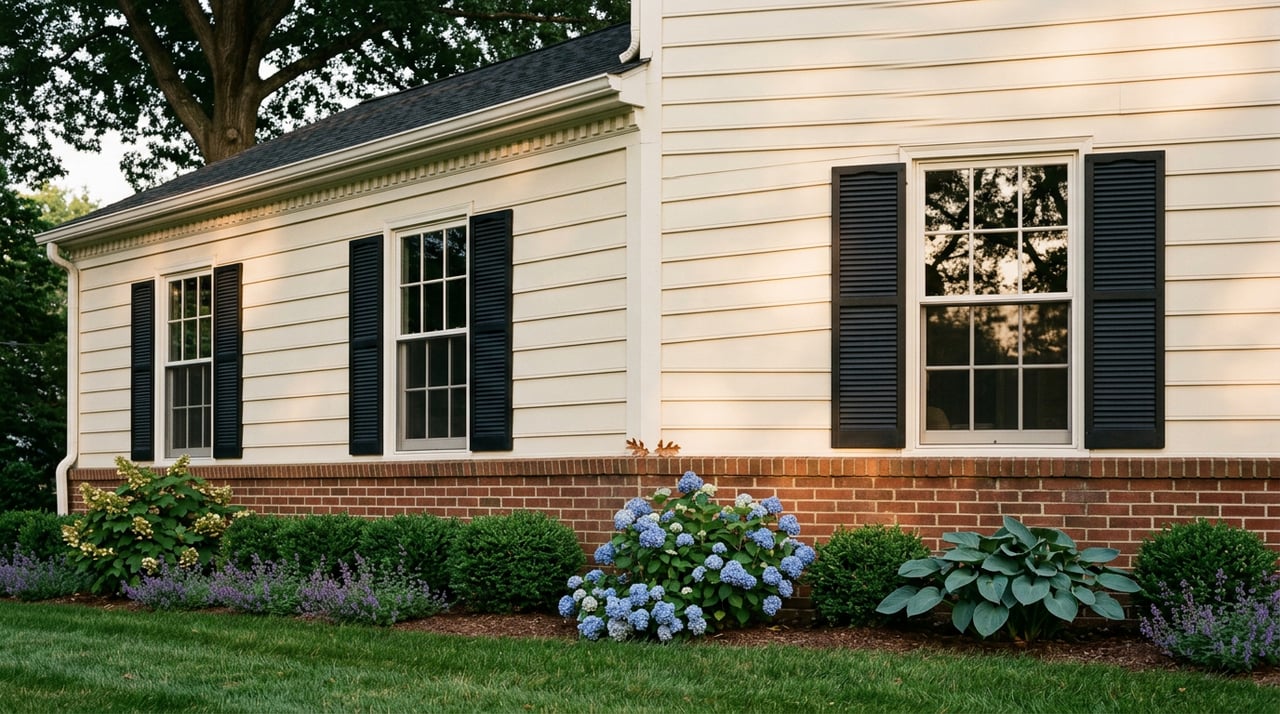
Zillow's ZHVI puts the average Vienna home value at $1,192,173 as of May 31, 2026. Redfin's rolling three-month median through May 2026 sits at $1.6M, up 13.5% year over year. Homes.com pulls a twelve-month median sale of $1,200,000, up 8%. Three respected trackers, three different answers, and none of them describes the house a buyer will actually tour on Saturday.
That gap is not a data problem. It is the market telling you something specific. Vienna is not one market with a fuzzy median. It is two markets stacked on the same street grid, and the price you pay depends almost entirely on which one you walk into.
The number the median hides
The clearest way to see the split is to look at what is for sale, not what has already closed. There are currently 49 new-construction homes listed in Vienna at a median asking price of $1.91M, with several individual builds pushing past $3.5M. Meanwhile, resale inventory across the town still includes 1960s ranches, splits, and center-hall colonials whose land is the asset and whose structure is a placeholder.
Set the two sides next to each other and the median stops looking like a middle:
| Product | Typical age | Typical asking (2026) | What you are buying |
|---|---|---|---|
| Original mid-century home | 1950s–1970s | $900K–$1.4M | The lot, with a livable house on it |
| Renovated resale | 1990s–2000s rebuild, updated | $1.3M–$1.9M | A working floor plan on a modest lot |
| New-construction teardown build | 2025–2026 delivery | $1.9M–$3.6M+ | Roughly 6,000–7,700 finished sq ft on the same 10,000–12,000 sq ft lot |
The Fox Homes team's Vienna 2026 breakdown lands in a similar place, putting condos at $350K–$550K, townhomes at $550K–$800K, smaller single-family at $800K–$1.1M, larger single-family at $1.1M–$1.8M, and estate homes at $1.8M–$3M+. A buyer who anchors on "the median" is really anchoring on a weighted average of these very different products.
Why the land is worth more than the house
The mechanism driving all of this is simple and local. A town-hosted tree canopy report referenced by area agents says Vienna has been running at roughly 100 teardowns per year on the same lot, with typical parcels at 10,000 to 12,000 sq ft and a 25 percent lot coverage cap that builders design directly against. Add the 5 percent open-deck allowance and the design envelope is knowable to the square foot before a single drawing is commissioned.
That predictability is what turns Vienna dirt into a commodity. A builder can price a lot the way a wholesaler prices a pallet, because the finished product is bounded by ordinance rather than imagination. Doug Francis, who has sold Vienna since 1991, counts more than twenty builders and roughly a dozen investors working the town as an ongoing rotation. Paradigm Homes, Monarch, Sekas Homes, Evergreene Homes, Composition Homes, Vienna Development Alliance, Verity Builders, Capital Custom Homes, JDA, Luka Design and Build, Bukont Homes, Engee Homes, Jefferson Homes, and Noble Construction are all delivering under 2026 or early 2027 timelines within the town limits.
When land value crosses structure value, the incentive flips. Renovating a 1965 rambler no longer competes with tearing it down, because the buyer pool for a $2M+ finished house is deeper than the buyer pool for a $1.4M house that still has a 1965 floor plan.
That flip is why buyers touring resale often find themselves outbid in cash by a builder who has already run the pro forma on the parcel. It is also why some of the most sensibly priced resale homes never appear on public portals at all. Doug Francis and Commonwealth Home Design both note that spec homes and pre-market teardown candidates trade agent-to-agent well before listing.
What that means when you tour a Vienna listing
Once you accept that Vienna has split into two products, listings become easier to read. Every home in the current market falls into one of three practical categories, and the category, not the median, sets the terms of the negotiation.
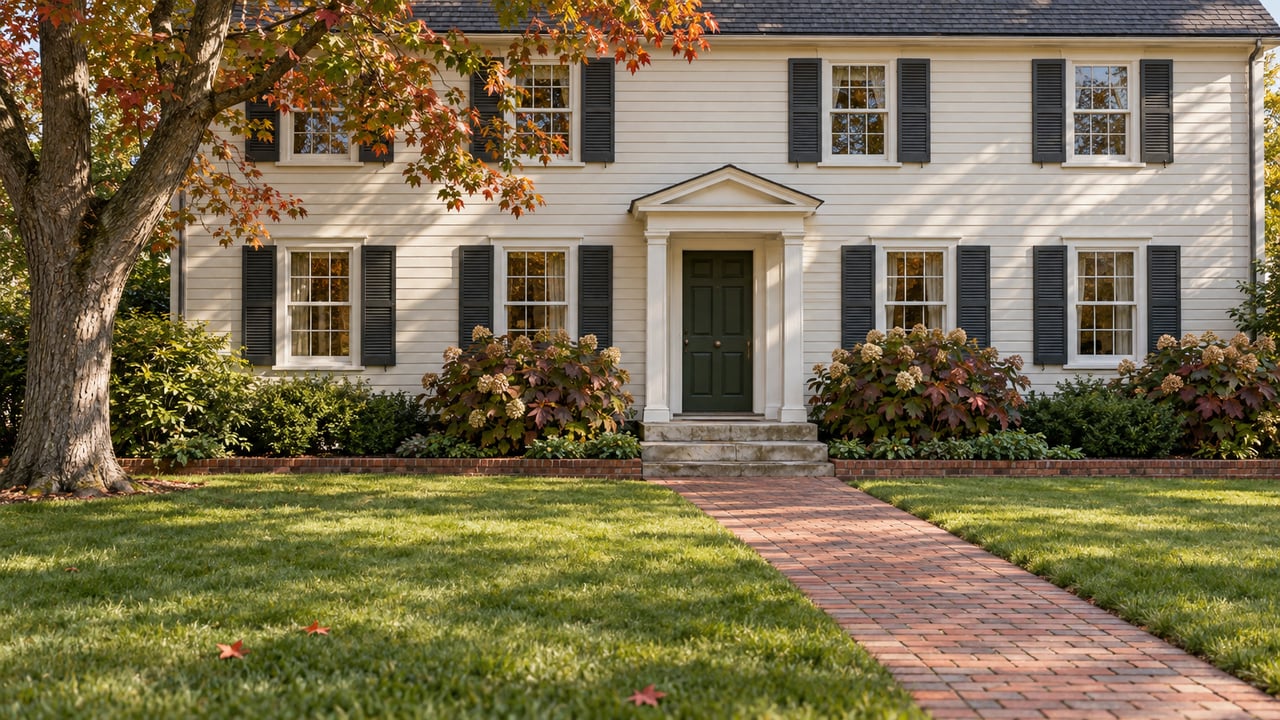
Category one: the land play, dressed as a house. These are the 1950s–1970s ramblers, splits, and colonials that Commonwealth Home Design describes as having load-bearing walls between the kitchen and dining room, dark compartmentalized layouts, small primary suites, and floor plans that were not designed for how families live today. Priced right, they clear the market in days because builders and end-users are bidding on the same asset for different reasons. Priced high, they sit, because a renovation buyer refuses to pay land value for a house they intend to keep.
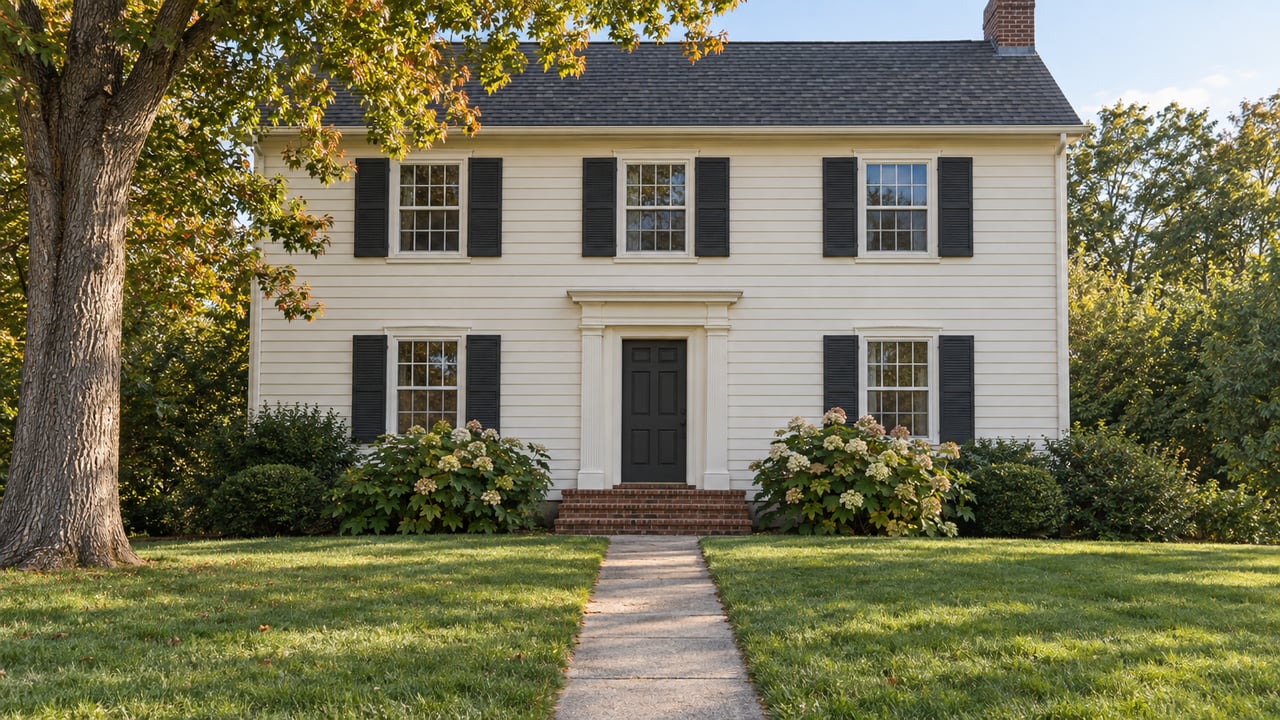
Category two: the 1990s–2000s rebuild. Half of Vienna's older housing stock has already been through one teardown cycle, and many of those homes were finished with builder-grade kitchens and cookie-cutter primary baths that already feel dated. The math here is unforgiving. You pay close to new-construction pricing for a house whose finishes will need meaningful capital within five years.
Category three: the current-cycle new build. Six bedrooms, six-plus baths, 6,000 to 7,700 finished square feet, a scullery off the kitchen, a conditioned garage, a main-level guest suite, ten-foot ceilings. These homes sell against each other, not against the resale market. A buyer comparing a $2.4M Sekas Homes delivery in Vienna Woods to a $2.5M Samson Properties listing in Berrys Ayrhill is shopping a segment, not a town.
The listing photo is usually enough to tell you which category you are in. What it will not tell you is whether the lot behind the house has already been evaluated by three builders. A quick title check and a conversation with an agent who watches teardown activity daily will.
The permitting layer buyers underestimate
Vienna is not a one-stop jurisdiction. The Town of Vienna handles zoning approval and Fairfax County handles building permits, which means every meaningful project touches two agencies and two timelines. For a new-construction purchase, the town's own materials describe an infill-lot plan set, a grading plan, a wall-check survey, a final house-location survey, and a certificate of occupancy before move-in.
Two overlays deserve specific attention.
The Windover Heights Historic District has a Board of Review that examines new construction visible from the public right-of-way. Homes inside that boundary can look identical to homes a block outside it and follow a completely different approval path. In other designated design-review districts, the Board of Architectural Review performs the same function for new construction.
The Town is also mid-way through an active Zoning Code Update, and council staff have circulated three options for lot coverage that would either keep the current 30 percent building-plus-deck total, add a 5 percent outdoor-living allowance to 35 percent, or replace the definitions entirely. A buyer signing a contract on a teardown lot today is buying under one set of rules and may be closing, permitting, or selling under another. It is worth asking a builder or agent which draft the current pro forma assumes.
How Vienna's zip codes translate the split
The same bimodal pattern shows up differently across town. As of June 2026, ZIP 22182 sits at a median list price of $1,750,000 against a median sold price of $1,328,500, a gap that reflects sellers pricing for the new-build ceiling while closings still pull from older inventory. Median days on market in that ZIP was reported at 274 in the same window, well above the 10-day figure Redfin publishes for Vienna as a whole. The two numbers are not contradictory. They are describing different products in the same postal code.
22180, which contains most of the walkable Town of Vienna proper, is where builders concentrate because lots feed the Madison High School pyramid and sit within walking distance of Church Street. 22181 tends to hold the largest share of intact mid-century inventory, and Realtytrac data shows the widest residential value spread here, from $162,304 to $4,770,460. The practical read: a buyer targeting a specific school pyramid or a specific commute should ignore town-wide averages entirely and price against the ZIP and street.
Questions we hear most from buyers running these numbers
If the median is misleading, what should I anchor on instead? Anchor on the segment you are actually shopping. If you want a current-cycle new build, price against the $1.91M new-construction median and the specific builder's recent deliveries. If you want a livable resale, price against comparable resales that have not been marketed as teardown candidates.
Am I really competing with builders on cash offers? On lots that pencil as teardowns, often yes. The competition is heaviest on 10,000 to 12,000 sq ft parcels within the town limits that feed strong school pyramids. On larger lots, awkward configurations, or homes already renovated to a livable standard, the builder bid drops out and the market behaves more like a normal resale.
Does the 25 percent lot coverage cap affect me if I am buying a finished new build? Indirectly. It is why almost every new home in Vienna is built to the maximum envelope, which is why yards feel smaller and mature-tree canopy has thinned on active teardown blocks. If a deep yard or established landscaping matters to you, resale is doing something new construction structurally cannot.
How do I find teardown candidates that are not on the portals? Through an agent who tracks off-market inventory and knows which owners have signaled interest to builders. Doug Francis and Commonwealth Home Design both describe a pre-listing rotation among builders and investors that resolves many of Vienna's best lots before they ever hit public search.
Vienna rewards buyers who understand which side of the split they are stepping into before they write an offer. If you are weighing a Vienna purchase in the next twelve months, Gwak Homes can walk your target streets with you, price the lot separately from the structure, and tell you honestly whether you are shopping resale, a rebuild, or a land play with a house on it. Get your free home valuation and consultation to start with a clear picture of what your money actually buys.