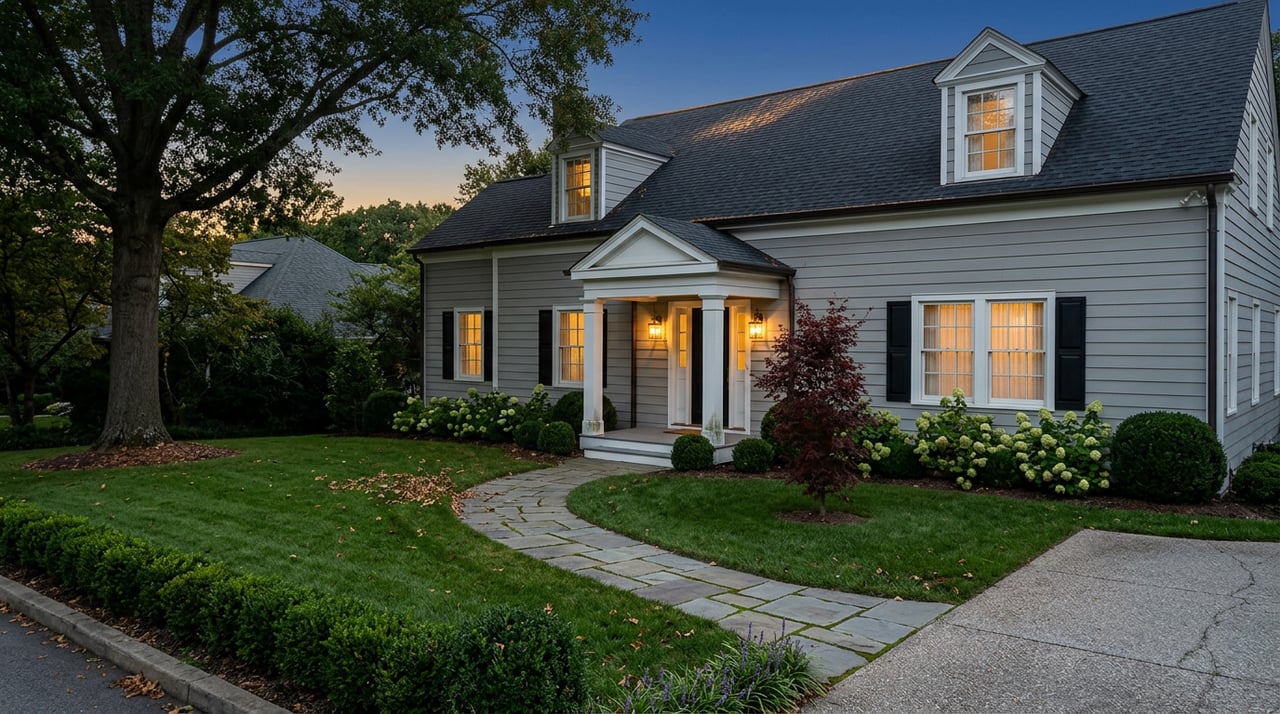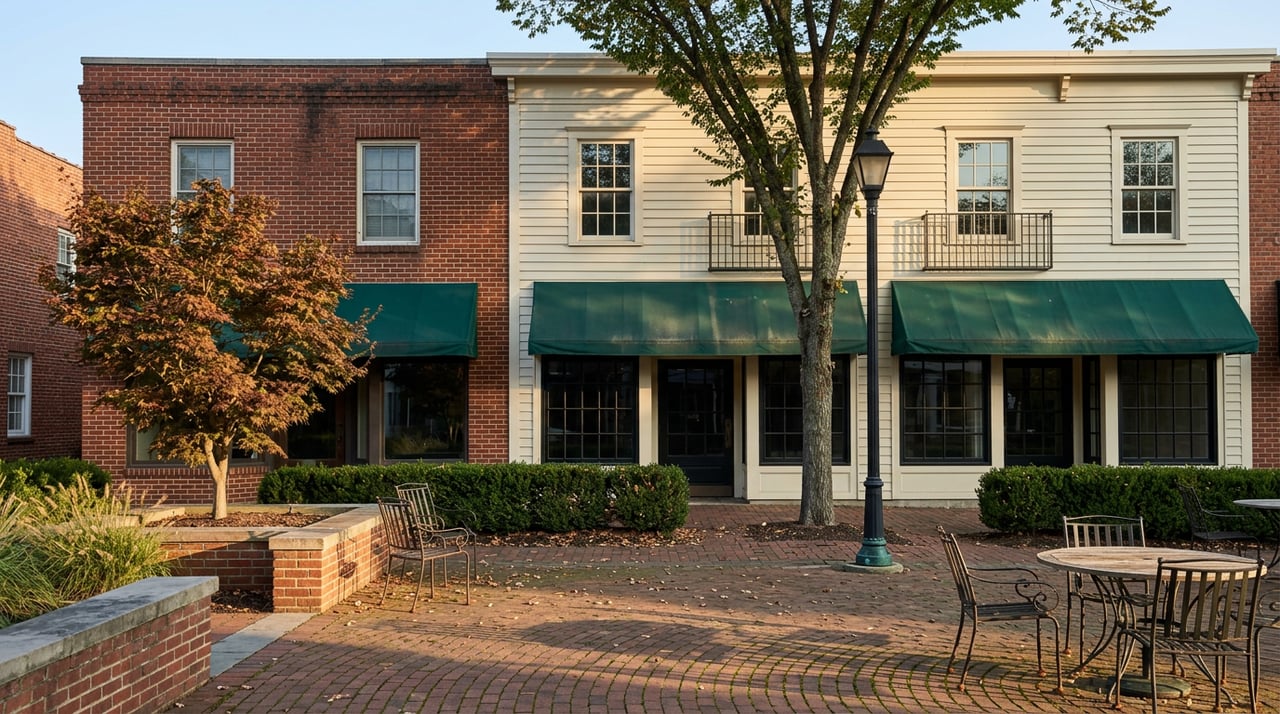
If the thought of maintaining a larger home feels less rewarding than it used to, Falls Church may offer the kind of next chapter you are looking for. Downsizing is not just about moving into a smaller space. It is about choosing a home that better matches how you want to live now, with less upkeep, more convenience, and easier access to everyday amenities. If you are weighing condos or 55-plus living in Falls Church, this guide will help you think through the lifestyle, costs, and due diligence that matter most. Let’s dive in.
Why Falls Church Appeals to Downsizers
Falls Church offers a rare mix of convenience and small-scale living. The city is an independent city about six miles from Washington, D.C., and describes itself as an urban-village community with shops, restaurants, and year-round community activity. For many downsizers, that means you can simplify home maintenance without feeling disconnected from the broader Northern Virginia and D.C. area.
Mobility is also a major part of the appeal. Falls Church points to nearby Metrorail access through East Falls Church and West Falls Church, along with ART and Fairfax Connector bus service, Capital Bikeshare, and designated bicycle routes. If your goal is to rely less on driving for every errand or outing, that transportation network can support a more flexible lifestyle.
The city also offers amenities that fit a lower-maintenance routine. The W&OD Trail runs through the northern part of the city and provides a paved route for walking and biking. The year-round Falls Church Farmers Market adds another local option for regular errands and community activity.
What Condo Living Looks Like
Falls Church’s housing resources show a range of condo communities, including The Broadway, The Byron, Falls Chase, Falls Plaza, The Madison, Park Towers, and Spectrum. The city’s housing pages also maintain a public list of apartments and condominiums so residents can compare available options. That makes Falls Church a practical place to explore smaller-format housing.
In many cases, downsizing here means choosing a studio, one-bedroom, or two-bedroom layout instead of a detached home. The tradeoff is usually straightforward. You may give up some private square footage, yard space, and storage in exchange for a more manageable footprint and, in some communities, shared amenities.
That shift can be a positive one if your priorities have changed. Many buyers at this stage want to spend less time on exterior maintenance and household chores. A condo can support that goal, but it is important to compare not just unit size, but also building rules, fees, parking, and storage before you decide what feels right.
Understanding 55-Plus Living
Falls Church’s housing pages also list a 55-plus option, including Modera Verso 55+. If you are specifically looking for an age-restricted community, it helps to know that 55-plus housing is not just a branding term. Under federal fair housing law, it is a regulated category with specific occupancy and policy requirements.
In general, a 55-plus community must meet standards tied to occupancy, age-based policies, and verification practices. That matters because it affects who can live there and how the community operates. If you are considering this type of move, you will want to confirm the community’s current policies and how they are applied.
For the right buyer, 55-plus living can provide a strong lifestyle match. It can also narrow your future buyer pool compared with a non-age-restricted condo, so it is wise to think about resale from the beginning, not just move-in convenience.
Budget Beyond the Purchase Price
One of the biggest downsizing mistakes is focusing too heavily on the sale price while underestimating monthly ownership costs. With condos, HOA or condo dues are a core part of affordability. The Consumer Financial Protection Bureau says these dues are usually paid directly to the association and are not included in your mortgage payment.
Those dues can range from a few hundred dollars per month to more than $1,000 per month. That is a wide range, and it can materially change how affordable a property feels month to month. When you compare homes, it helps to look at the total monthly cost, not just principal and interest.
In Falls Church, building-level costs can also vary by community. The city’s housing pages indicate that some properties may have separate parking, pet, or amenity charges. Before making an offer, review those charges line by line so you understand exactly what you are committing to.
Why Condo Financial Health Matters
A condo is not just a unit. You are also buying into a building or community association, and its financial condition matters. Research in the report notes that buyers should ask about reserves and past or planned special assessments.
This is important for both budget and financing. Fannie Mae notes that lender concerns often center on financial instability, deferred maintenance, and inadequate insurance. Lenders may also review project budgets, financial statements, and reserve studies, which can make condo financing more document-heavy and may affect the closing timeline.
For you, the practical takeaway is simple. A well-located condo in Falls Church can be appealing, but the building itself must also make financial sense. A strong review of the association can help you avoid surprises after closing.
Key Questions to Ask Before You Buy
When you tour condos or 55-plus communities in Falls Church, try to move beyond finishes and floor plans. The details that shape daily life often show up in the documents and community rules. A few questions can go a long way.
Consider asking about:
- Monthly condo or HOA dues
- What the dues cover and what they do not cover
- Reserve balances and recent reserve studies
- Past or planned special assessments
- Parking arrangements and extra parking fees
- Pet rules and related fees
- Guest policies
- Rental restrictions
- Insurance information for the association
- Any age or occupancy limits
These details affect livability today and marketability later. They can also help you compare two properties that may look similar at first glance but function very differently in practice.
Virginia Resale Disclosures You Should Know
If you are buying a resale condo or another common-interest property in Virginia, the Resale Disclosure Act is an important part of your due diligence. Virginia law requires a resale certificate for these transactions. That certificate includes items such as special assessments, reserve balances, the current budget, reserve study information, insurance information, board minutes, and any age or occupancy limits.
Timing matters here. If the resale certificate is delivered after ratification and no other deadline is set, you generally have three days to cancel. If it has not been delivered, you may cancel at any time before settlement.
That makes the document review period especially important for downsizers. If you are moving from a detached home into a condo for the first time, this paperwork can reveal rules, costs, and building conditions that are easy to miss during a showing.
New-Construction Condo Rules in Virginia
If you are looking at new-construction condos instead of resales, Virginia gives buyers a separate cancellation right. Under Virginia law, a purchaser has five calendar days to cancel from the contract date or delivery of the public offering statement, whichever is later.
That window gives you time to review the documents carefully. New construction can be appealing if you want updated finishes and systems, but the paperwork still deserves close attention. Policies, fees, and ownership terms can shape your experience just as much as the unit itself.
How to Think About Resale Value
Downsizing is often a lifestyle decision, but it is still a real estate investment. In Falls Church, resale value may be influenced by location, building health, and buyer demand. The city’s compact footprint, Metro access, and urban-village amenities may support demand for well-located condos.
Still, not all properties will perform the same way. A building with solid finances, clear rules, and strong upkeep may be easier to finance and more attractive to future buyers. A 55-plus property may be the perfect fit for your current goals, but because it serves a narrower audience, it is smart to weigh how that may affect resale timing and demand later.
This is where a thoughtful buying strategy matters. You are not only choosing where to live now. You are also choosing how easy or difficult that property may be to sell in the future.
Downsizing With a Clear Plan
A smooth downsizing move usually starts well before you write an offer. If you already own a home, you may need to think about timing your sale, estimating your net proceeds, and deciding what furniture or storage you actually want to carry into the next chapter. The smaller the home, the more important those decisions become.
It also helps to define your non-negotiables early. For some buyers, that means elevator access, reserved parking, or lower monthly dues. For others, it means being close to Metro, the W&OD Trail, shops, or the farmers market.
When your goals are clear, it becomes easier to compare options objectively. Instead of choosing based on emotion alone, you can choose the property that best supports your lifestyle, budget, and longer-term plans.
If you are exploring a move into a Falls Church condo or 55-plus community, working with an advisor who can help you value your current home, compare tradeoffs, and coordinate the moving parts can make the transition much easier. To start planning your next move with a calm, strategic approach, connect with Gwak Homes.
FAQs
What makes Falls Church a good place to downsize?
- Falls Church offers a compact urban-village setting, access to nearby Metro stations, bus and bike options, the W&OD Trail, and a year-round farmers market, all of which can support a lower-maintenance lifestyle.
What types of condos are available in Falls Church?
- The city’s housing resources list condo communities such as The Broadway, The Byron, Falls Chase, Falls Plaza, The Madison, Park Towers, and Spectrum, along with other apartment and condominium options.
What does 55-plus housing mean in Falls Church?
- A 55-plus community is an age-restricted housing category governed by specific legal standards related to occupancy, policies, and verification, rather than just a marketing label.
What costs should I budget for when buying a Falls Church condo?
- In addition to your mortgage, you should budget for condo or HOA dues and review any separate parking, pet, or amenity charges that may apply in a given community.
What documents matter when buying a resale condo in Virginia?
- The resale certificate is a key document because it can include the budget, reserve balances, reserve study information, insurance details, board minutes, special assessments, and any age or occupancy limits.
Can I cancel a Virginia condo contract after reviewing documents?
- For resale common-interest properties, Virginia law generally gives buyers three days to cancel after delivery of the resale certificate if it is delivered after ratification and no other deadline is set; if it has not been delivered, the buyer may cancel before settlement. For new-construction condos, buyers generally have five calendar days to cancel from the contract date or delivery of the public offering statement, whichever is later.