If you are thinking about living near Vienna’s W&OD Trail, you are probably not just asking about a path. You are really asking what daily life feels like when a well-used trail, a small-town core, and suburban neighborhoods all overlap. The good news is that Vienna offers a mix of activity, convenience, and classic residential streetscape, and understanding that balance can help you choose the right block and home style for your needs. Let’s dive in.
W&OD Trail Life in Vienna
Living near Vienna’s stretch of the W&OD Trail usually means the trail becomes part of your routine, not just a weekend amenity. NOVA Parks describes the W&OD as a 45-mile paved shared-use trail for walking, running, bicycling, and skating, open daily from 5 a.m. to 9 p.m. year-round. It also sees more than two million users each year, which tells you right away that this is an active corridor.
In Vienna, the trail runs through the heart of town. It sits next to community gathering spaces like the Vienna Town Green and the Vienna Community Center, so the area often feels connected to everyday town life. Instead of feeling tucked away like an isolated park, the trail often feels woven into how people move through Vienna.
The Town of Vienna also notes the town has tree-lined streets and easy access to the W&OD Trail, and its Bicycle Advisory Committee highlights Vienna’s recognition as a bronze Bicycle Friendly Community. In day-to-day terms, that means biking is a normal part of life for many residents. If you like the idea of stepping outside and quickly joining a well-used path, this setting can feel especially practical.
What the Daily Pace Feels Like
One of the biggest things to expect is movement. The W&OD Trail in Vienna is a shared space, and NOVA Parks’ safety guidance makes that clear with rules around keeping right, passing left, moving aside when stopping, and minding pets. That tells you the trail supports a steady mix of users rather than a quiet, empty backdrop.
Fairfax County also notes that many children use the trail to walk or bike to school. That adds another layer to the day-to-day rhythm, especially during weekday mornings and afternoons. Depending on where you live along the trail, you may notice a regular flow of walkers, runners, cyclists, and families throughout the day.
NOVA Parks also allows e-bikes and other electric conveyances where regular bicycles are allowed, subject to Virginia law and trail rules. That broadens the mix of users and reinforces the idea that this corridor is transportation-oriented as well as recreational. If you prefer a lively, connected environment, that is often a plus. If you want a quieter setting, your exact distance from the trail and downtown core matters more.
Commuting Options Near the Trail
If you commute into other parts of Northern Virginia or toward DC, Vienna offers layered options. The key transit anchor is the Vienna/Fairfax-GMU Metro station on the Orange Line. WMATA identifies it as the final Orange Line station in Virginia, and the station includes parking, bike racks, and lockers.
Fairfax Connector lists 5,169 parking spaces at the station, which supports park-and-ride use for many households. For some residents, that means driving to Metro is the simplest option. For others, the appeal of living near the W&OD Trail is the ability to bike or combine modes depending on the day.
Fairfax County says the W&OD and City of Fairfax Connector trail links to the Vienna Metro station area. The county also publishes bike connections from Vienna/Fairfax-GMU toward Arlington and DC via the W&OD Trail. In practical terms, trail proximity can make mixed-mode commuting more realistic, especially if you want flexibility rather than a one-size-fits-all routine.
There is also a local bus layer. Fairfax Connector Route 463 connects Vienna Metro and Tysons Metro while serving Downtown Vienna, Nottoway Park, and the Vienna Shopping Center. That can help with short local trips and errands, particularly if you prefer a more car-light setup some days.
Downtown Vienna Is Part of the Appeal
A major reason buyers like the trail area in Vienna is that it connects naturally with the town core. Vienna’s About page describes Maple Avenue as home to specialty shops, restaurants, family-run businesses, and small stores. It also describes Church Street as a historic main street corridor, which helps explain why downtown Vienna feels more locally rooted than a typical suburban commercial strip.
That connection between the trail and downtown shows up in practical ways. The town’s public parking information includes a Town Green/W&OD Trail lot between Church Street NE and Maple Avenue E, plus more public parking near the Vienna Shopping Center on Maple Avenue W. That setup supports the kind of daily pattern where a walk, a meal, and a quick errand can all happen in one outing.
The event calendar matters too. The Vienna Town Green, adjacent to the trail, hosts concerts and performances, and Chillin’ on Church takes place every third Friday from June through September on historic Church Street. If you live close to this area, evenings and weekends can feel active and community-oriented.
Housing Near the Trail
If you picture trail living as automatically urban, Vienna may surprise you. According to the Town of Vienna’s 2026 draft Comprehensive Plan, the town had 5,804 housing units in 2023. About 80% were single-family detached, 9% were single-family attached, and 11% were multifamily.
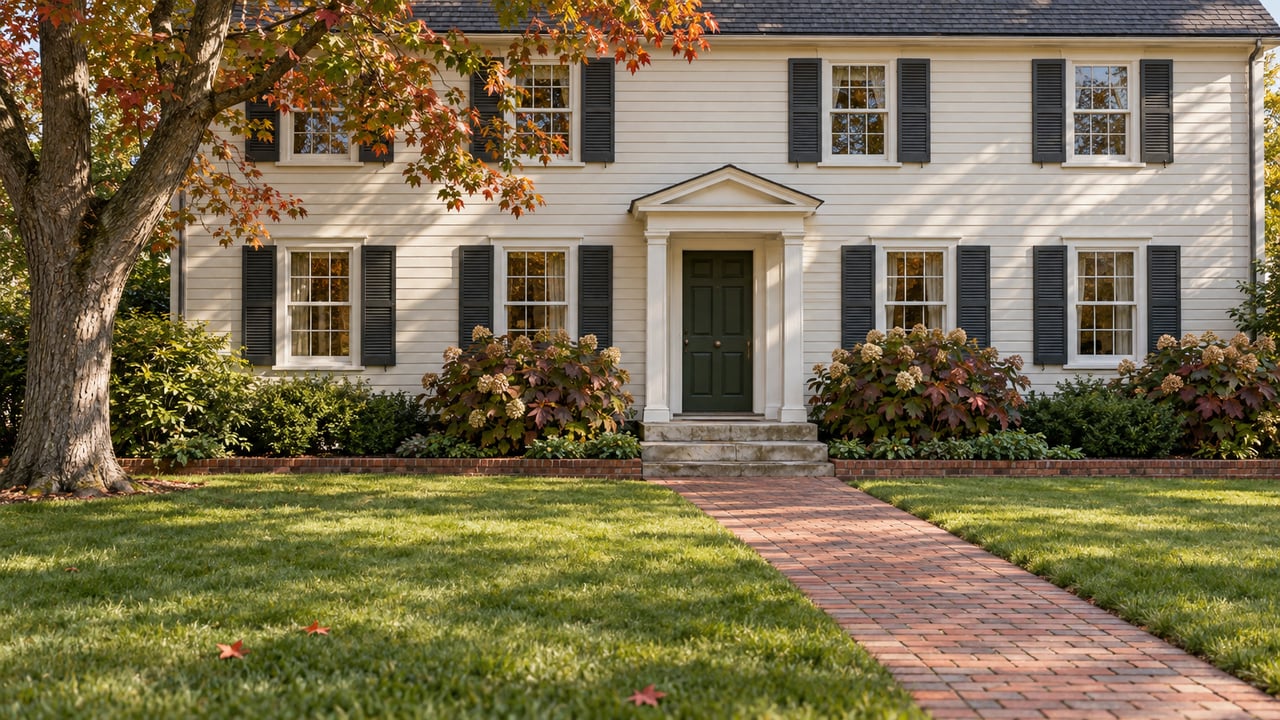
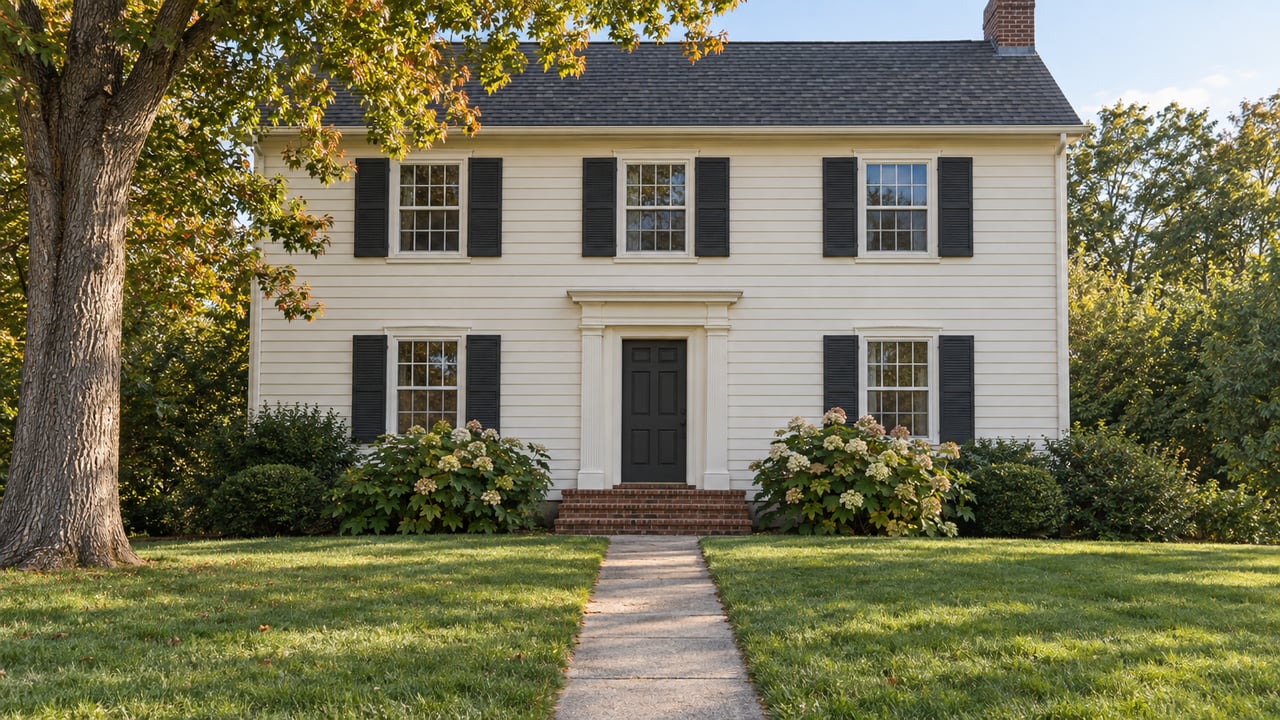
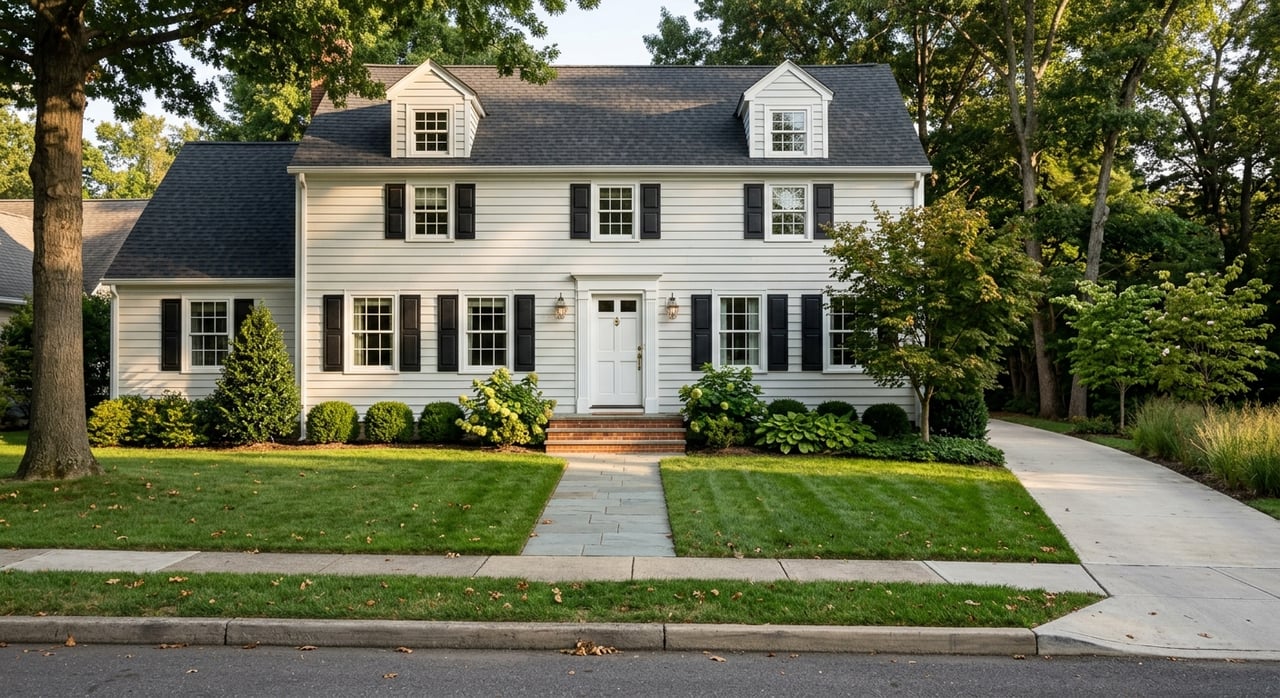
That housing mix matters because it shapes what trail-adjacent living actually feels like. Even in a walkable corridor, Vienna is still mostly a detached-home market. So you can have easy access to the trail and downtown amenities while still living in an area that feels distinctly suburban.
The same draft plan says most multifamily units are clustered in the center of town along Locust Street SE and Church Street, and it notes one major apartment complex, Vienna Park Apartments, near Cedar Lane. That means buyers and renters may find a range of options near the corridor, from older detached homes to attached housing and apartment or condominium choices closer to the town core.
Choosing the Right Stretch of the Trail
Not every trail-adjacent location in Vienna will feel the same. The area where the trail, Maple Avenue, Church Street, and the Town Green overlap tends to offer the most walkable and event-oriented experience. If you want to be able to step out for a walk, grab a bite, and stay close to town activity, that central stretch may feel like the strongest fit.
At the same time, many nearby blocks still feel like classic suburban neighborhoods. The town’s housing mix and land-use patterns support that distinction. So if you want trail access without being right in the middle of the busiest activity, a nearby residential pocket may give you a better balance.
This is where a home search becomes more nuanced than simply searching for homes near the W&OD Trail. The better question is how close you want to be to the most active part of Vienna, how much foot and bike traffic feels comfortable to you, and whether your priority is commuting convenience, walkability, or a quieter residential feel.
What Buyers Should Keep in Mind
If you are considering a home near Vienna’s W&OD Trail, it helps to think in terms of lifestyle fit.
- For commuters: Trail access may support biking to Metro or using a mixed-mode routine.
- For buyers who value walkability: The blocks near Maple Avenue, Church Street, and the Town Green may feel especially convenient.
- For buyers who want suburban housing: Vienna’s housing stock remains largely single-family detached, even near the corridor.
- For buyers sensitive to activity: Expect a shared, well-used trail with regular movement during the day and event activity near downtown.
The main takeaway is simple. Living near Vienna’s W&OD Trail usually means easier access to walking, biking, downtown Vienna, and flexible commuting options, while still being in a predominantly suburban housing market. That combination is exactly why many buyers find the area appealing.
If you are weighing homes in Vienna or comparing trail-adjacent neighborhoods across Northern Virginia, a local strategy can make the decision much clearer. Gwak Homes can help you narrow down the right location, home style, and day-to-day lifestyle fit with a personalized, data-driven approach.
FAQs
What is daily life like near Vienna’s W&OD Trail?
- Daily life near Vienna’s W&OD Trail is usually active and connected, with regular foot and bike traffic, easy access to downtown Vienna, and a shared-use trail that is part of many residents’ routines.
How busy is the W&OD Trail in Vienna?
- NOVA Parks says the full W&OD Trail sees more than two million users per year, so Vienna’s segment typically feels lively rather than isolated, especially near the town core.
Can you commute from Vienna’s W&OD Trail area without driving everywhere?
- In many cases, yes. The area offers access to the Vienna/Fairfax-GMU Metro station, bike connections to the station area, and Fairfax Connector Route 463 for local trips between Vienna and Tysons.
What kinds of homes are near Vienna’s W&OD Trail?
- Housing near the trail includes mostly single-family detached homes, with some attached housing plus apartment and condominium options closer to central Vienna.
Is living near Vienna’s W&OD Trail more urban or suburban?
- It is usually more suburban overall, even though the trail and downtown core add walkability and activity in certain sections, especially near Maple Avenue, Church Street, and the Town Green.