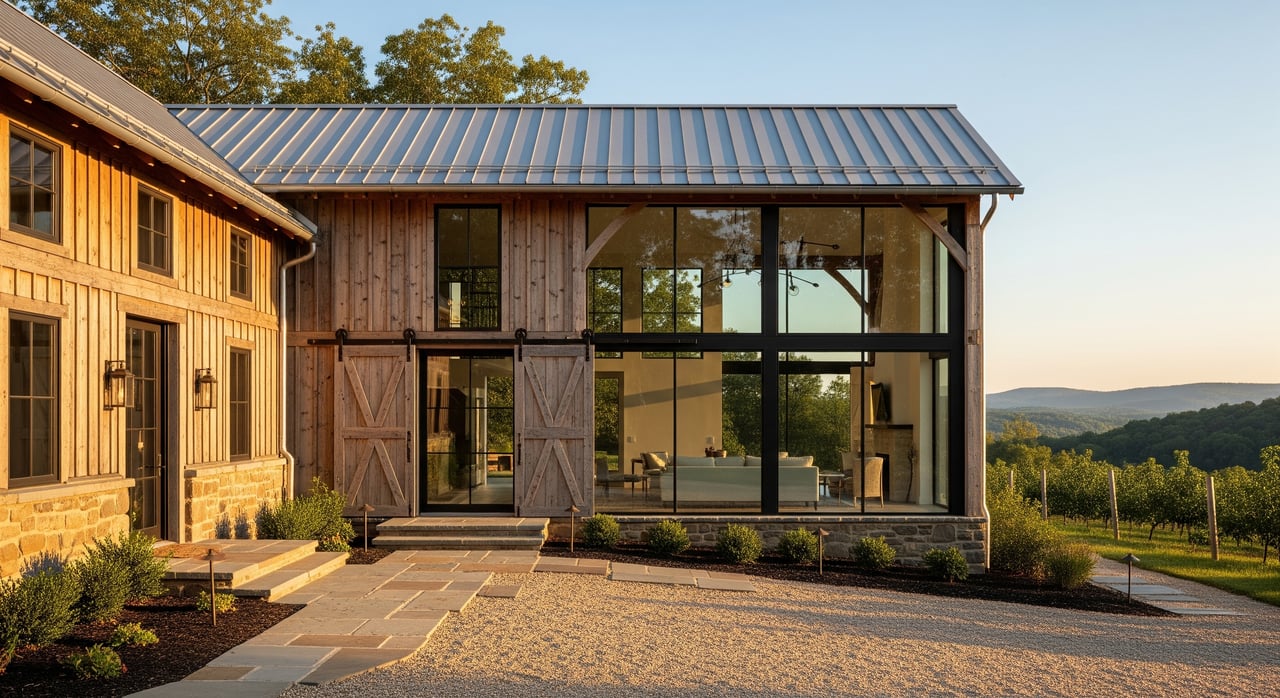
Have you ever looked at an old barn on your property and pictured a cozy guest suite or a rental studio? If you live in Berryville or elsewhere in Clarke County, you can often make that vision real with careful planning. You just need to confirm what is structurally possible and what is legally allowed, then follow the right steps. This guide walks you through the key checks, permits, timelines, budgets, and local contacts so you can move forward with confidence. Let’s dive in.
Start with feasibility checks
Before you sketch floor plans, make sure your barn is a candidate for safe, legal living space. You’ll want to evaluate both structural and legal feasibility.
- Structural and physical: roof and wall condition, foundation stability, floor framing strength, moisture or insect damage, headroom, access, and layout potential.
- Legal and land use: zoning permissions for accessory dwellings, setbacks and lot coverage, septic and well capacity, and any historic district or easement constraints.
Right away, look at a few site details that often drive the plan:
- Distance to your home and drain field, and whether you can tie into the existing septic or need a new system.
- Access to electric service, broadband, and potable water from a well or municipal source.
- Floodplain, steep slopes, wetlands, or conservation easements that limit changes.
- Whether the property or barn falls in a historic district or is under a preservation easement.
Common conversion goals
Owners in rural Clarke County typically consider a few paths:
- Accessory dwelling unit with a kitchenette and bathroom for family or long-term rental.
- Studio apartment for long-term rental or multi-generational living.
- Short-term rental as a guest stay. This adds county or state rules and potential business licensing and tax requirements.
- Finished guestroom without full plumbing that shares facilities with the main home. This is often simpler but may not meet every need.
Zoning and code rules in Clarke County
Virginia enforces the Virginia Uniform Statewide Building Code, including the Virginia Residential Code. Clarke County’s building department enforces these standards, while the county zoning ordinance controls land use. If your property is inside Berryville town limits, you will also need to follow town rules.
Expect to need approvals before you build:
- Building permit for conversion or change of use.
- Electrical, plumbing, and mechanical permits for trade work.
- Septic and well permits and inspections if you are adding plumbing or a new on-site system. The Virginia Department of Health oversees standards for on-site sewage and private wells.
- Driveway or entrance permit if you add or widen access.
- Historic review if the property is in a historic district or under a preservation easement.
- Certificate of Occupancy to legally occupy the new living space.
ADU and rental rules to confirm
Check with Clarke County on:
- Whether accessory dwellings are allowed in your zoning district and any limits on size, occupancy, or owner occupancy.
- Minimum setbacks, maximum lot coverage, and lot area per dwelling.
- Whether changing an agricultural outbuilding to residential use needs a special or conditional use permit.
- Short-term rental rules and any transient occupancy tax obligations if you plan to rent.
Septic, well, and utilities
Most rural properties in Clarke County rely on individual wells and on-site sewage systems. Adding a kitchen or bathroom usually triggers a health department review. You may need a larger drain field or an alternative engineered system. Water well permitting and water quality testing follow state standards. For power, barn conversions often require a service upgrade or a new distribution panel, and utility trenching can add cost based on distance. Broadband extension may also affect feasibility in more remote areas.
Safety and habitability standards
Once you confirm zoning and utilities, plan for code items that make a space safe and comfortable:
- Egress through proper doors, stairs, and egress windows in sleeping rooms.
- Smoke and carbon monoxide alarms sized and located per code.
- Minimum ceiling heights and room sizes set by the residential code.
- Insulation and energy compliance under the state energy conservation code.
- Fire separation between the accessory unit and other structures if detached, plus any required fire safety measures when close to the primary dwelling.
Structural and systems planning
Engage a structural engineer or an architect early. Barns were not built to residential standards, so you may need targeted upgrades.
- Foundation and floors: Confirm the foundation can handle residential loads. Barns on posts or stone piers often need new slab or continuous footings to meet frost depth and anchorage requirements. Upper-level floors may need new subflooring or sistered joists to meet deflection and load limits.
- Framing and lateral bracing: Many barns lack shear resistance needed for habitable structures. Your engineer will evaluate wall bracing, anchorage, and roof structure for snow and wind loads.
- Roof and moisture: Check for sag, past treefall damage, and needed reinforcement or reroofing. Address rot, insect damage, and drainage or grading fixes to control moisture.
- Envelope and ventilation: Plan insulation for exterior walls and roof, along with proper vapor control and ventilation to prevent condensation and mold.
- Mechanical, plumbing, and electrical: Bathrooms and kitchens require drainage, venting, and hot water capacity. Electrical work typically involves service upgrades and a code-compliant panel with dedicated circuits. For HVAC, consider ducted or ductless heat pump systems or packaged units. Fire safety features such as alarms, and possibly sprinklers depending on use, will be part of the plan.
- Access and stairs: Replace steep loft ladders with code-compliant stairs and guardrails. Confirm landing sizes and clear egress paths.
- Site work: Improve grading and gutters to move water away from the building. Plan for driveway or parking changes if guests or tenants will use the space. Older barns may require testing and safe abatement for lead paint, asbestos, or pesticide residues.
Project steps, timeline, and budget
Here is a typical path from idea to occupancy:
- Preliminary review: Meet on site with a contractor or engineer to assess structural conditions, utilities, septic, and zoning hurdles.
- Concept design and structural assessment: Work with an engineer or architect to define scope and feasibility.
- Zoning approvals: Apply for accessory use permissions, conditional use permits, or variances if required.
- Construction drawings and permits: Prepare plans and submit building, plumbing, electrical, and mechanical applications. Include energy documentation as needed.
- Permit review and revisions: Respond to comments and secure all permits.
- Construction: Site prep, foundation work, framing, rough-in for mechanical, electrical, and plumbing, insulation, finishes, and required inspections.
- Final approvals: Complete septic and well testing if applicable, pass final inspections, and obtain the Certificate of Occupancy.
How long it takes
- Permitting and inspections: About 4 to 12 weeks depending on complexity and review timelines.
- Construction: Simple rooms with basic finishes may take 3 to 6 months. Full conversions with foundation work, septic, and full systems often take 6 to 12 months or more.
- Overall: Plan for several months to over a year from feasibility to occupancy for most permitted conversions.
What it costs
Budgets vary by the extent of structural repairs, foundation work, utility distance, septic needs, and finish level. As a planning ballpark:
- Minimal or partial conversion: About 50 to 125 dollars per square foot.
- Full conversion with new foundation, septic, kitchen, and full systems: About 125 to 300 dollars per square foot or more.
- New or alternative engineered septic systems: Often 10,000 to 40,000 dollars or more depending on soils and system type.
- Utility service upgrades and extensions: Can range from several thousand to tens of thousands based on distance and trenching.
Taxes and incentives
Converting space to living area may change your assessed value and property taxes. From time to time, state or local programs may offer incentives for historic rehabilitation or housing, but availability can change. Confirm current programs before you budget around them.
Local contacts and next steps
Reach out to these offices early in your planning:
- Clarke County Building and Zoning Department for zoning rules on accessory dwellings and the county permit process.
- Virginia Department of Health or the local health district office for on-site sewage and private well standards and permits.
- Town of Berryville planning and building if your property is inside town limits, including any historic district rules and town utilities.
- Virginia Department of Housing and Community Development for statewide building code information.
- Virginia Department of Historic Resources if the barn is in a historic district or under a preservation easement.
- Local utility providers for electric service upgrades and broadband availability.
Here is a quick owner checklist to move forward with clarity:
- Get a structural inspection and a preliminary cost estimate from a contractor experienced with barn conversions.
- Verify zoning for accessory residential use and ask about any special permits or variances.
- Schedule a soil evaluation or percolation test if you are adding plumbing, and request a septic feasibility review.
- Confirm county code edition and permit submittal requirements, including drawings and energy documentation.
- If historic, talk with preservation staff before exterior changes.
- Gather multiple contractor bids and confirm Virginia licensing and insurance.
How Gwak Homes can help
A successful conversion starts with a clear plan. You may want to understand how a permitted, code-compliant barn studio or ADU could fit your long-term goals, or how it might impact future sale decisions. Gwak Homes offers buyer and seller representation, CMA and home valuations, and a vendor concierge to connect you with trusted engineers, contractors, and inspectors.
If you are weighing a purchase with a potential barn conversion or planning one on your current property, we can help you map the steps, timing, and contacts so you move forward with confidence. When you are ready, we can also bring professional media, staging partnerships, and brokerage reach to your sale or purchase.
Ready to talk through your options and next steps in Clarke County? Get your free home valuation and consultation with Gwak Homes.
FAQs
What permits do I need to convert a barn in Clarke County?
- You will typically need a building permit for the change of use, plus electrical, plumbing, and mechanical permits, along with septic and well approvals if adding plumbing, and a final Certificate of Occupancy.
Can I add a bathroom if I am on a septic system?
- Usually yes, but the health department will review capacity and may require an expanded drain field or an alternative engineered system before issuing approvals.
How long does a typical barn conversion take from start to finish?
- Permitting often takes 4 to 12 weeks, construction can run 3 to 12 months depending on scope, and overall timelines are often several months to over a year.
What HVAC options work well for a barn conversion?
- Ducted or ductless mini split heat pumps, ducted systems, or packaged units can work well, especially when paired with improved insulation and air sealing.
Do I need historic approval to modify my barn?
- If the property is in a historic district, on a register, or under an easement, exterior changes and sometimes interior work may require review and approval.
Can I use a converted barn as a short-term rental in Clarke County?
- Rules vary by zoning and may include business licensing and transient occupancy tax; confirm requirements with county staff before you invest.