Thinking about a move to Great Falls, Virginia? If you want more space, privacy, and quick access to the outdoors while staying connected to Washington, D.C. job centers, this pocket of northwest Fairfax County might be exactly what you need. You will find estate homes on large lots, a small village center, and a community that values its parks and traditions. In this guide, you will learn how daily life really feels here, from housing and schools to commute tradeoffs, taxes, and local amenities. Let’s dive in.
Great Falls at a glance
Great Falls is a low-density, semi-rural suburb with a village center and long-running community events. Many residents choose it for privacy, trees, and room to breathe, then accept a car-first lifestyle for work and errands. For this guide, references to data and commuting use ZIP code 22066, which is a common real estate frame for Great Falls.
Great Falls is unincorporated and served by Fairfax County for public services. Local groups like Celebrate Great Falls host concerts and the annual 4th of July programming, which help anchor the small-town calendar. You can browse upcoming events through the Celebrate Great Falls Foundation.
Homes, lots, and what you will find inside
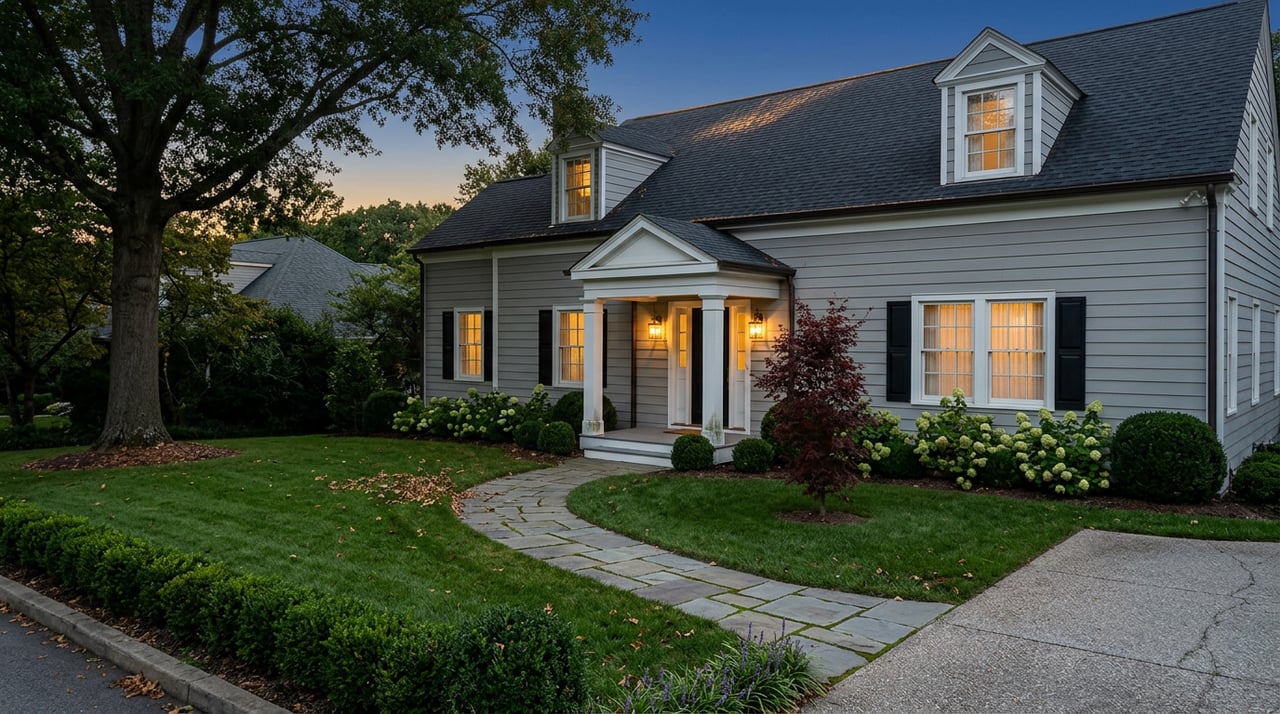
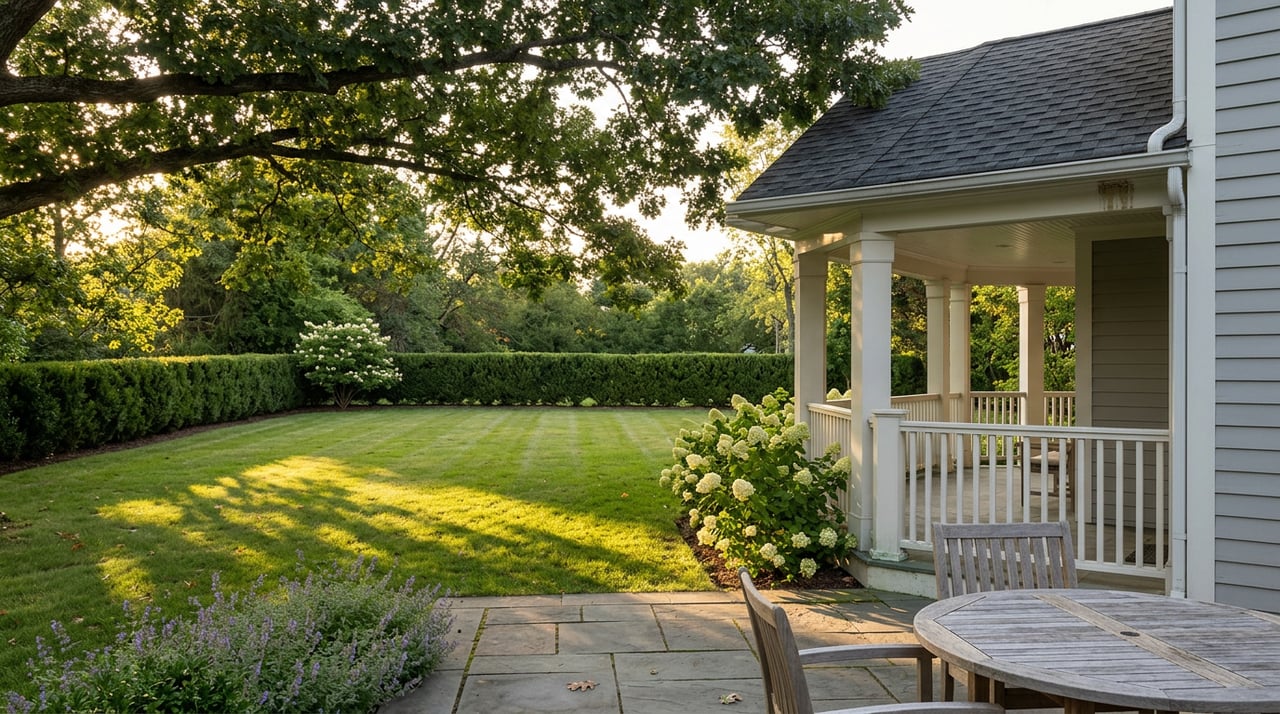
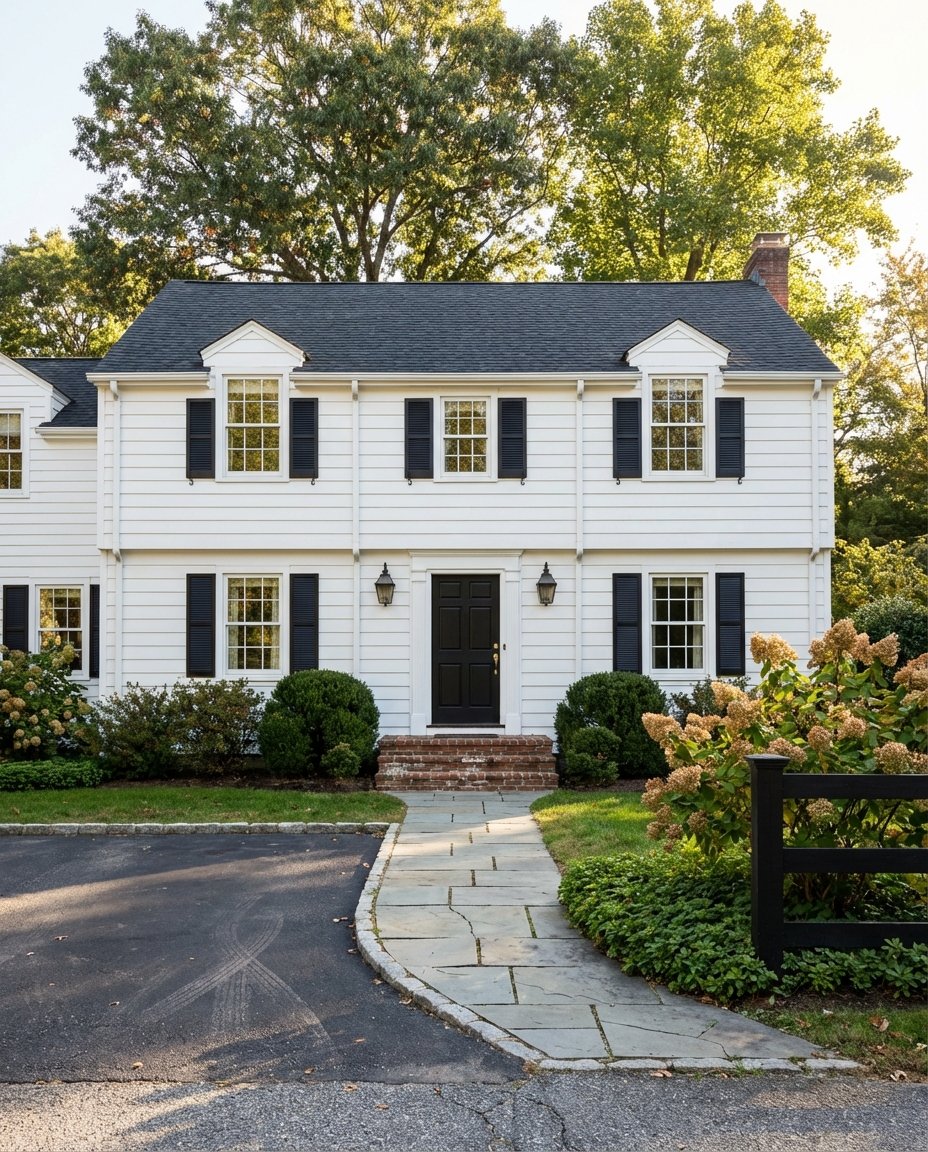
Great Falls is known for estate-style properties. Many homes span 3,500 to more than 10,000 square feet, and lot sizes often run from about a half acre to several acres. Closer to the village center, you will see smaller half-acre to one-acre parcels. In the quieter estate pockets, 1 to 3 plus acres are common, with occasional larger tracts.
As of January 2026, major housing portals place Great Falls values in the mid 1 million to 2 million dollar band, with many custom estates closing from roughly 2 million to 5 million dollars or more depending on lot size and finish. List prices, sold prices, and index values can differ by data source and date. Inventory is limited and seasonal, and days on market vary by condition, location, and price band.
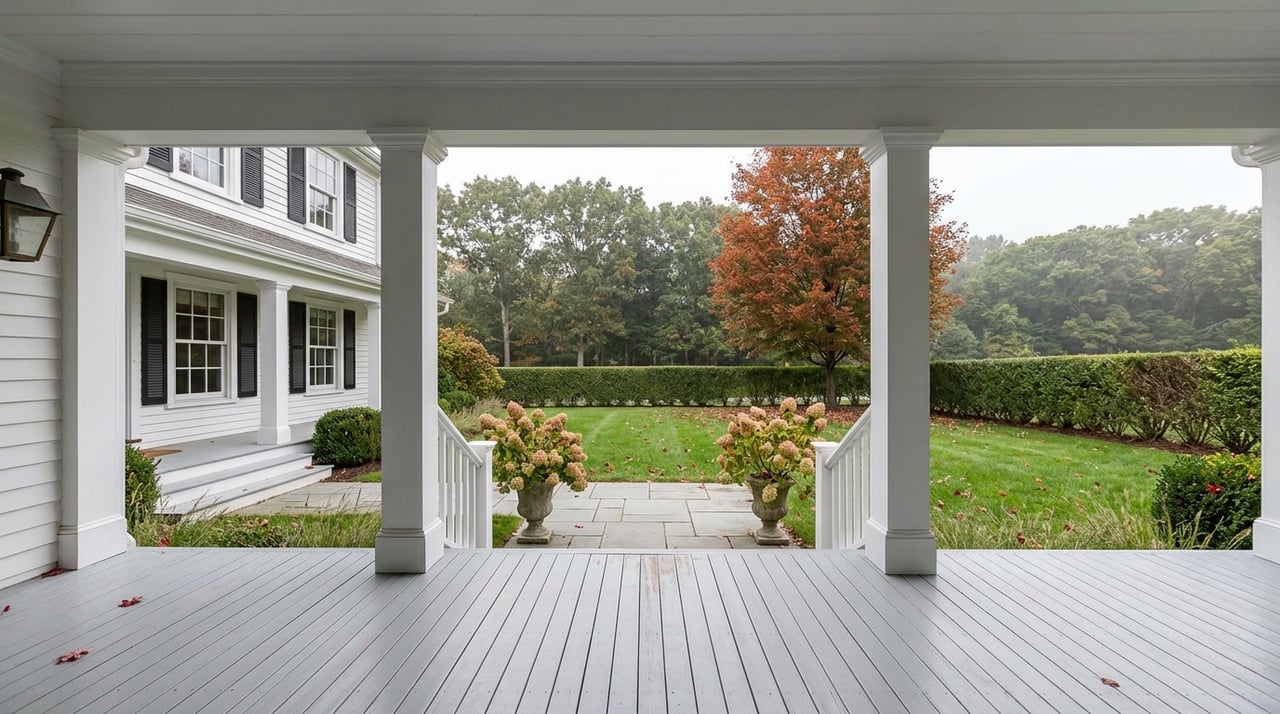
Inside a typical estate, buyers often look for multi-car garages, large kitchens, flexible lower levels or in-law suites, and outdoor spaces designed for entertaining. Privacy landscaping is a common priority. Many properties use private well and septic, which is part of the semi-rural pattern here, and many residents value conservation of that system. For background, the Great Falls Citizens Association offers context on septic and wastewater management.
Property taxes and yearly costs
Fairfax County’s adopted real estate tax rate for Tax Year 2025 in the FY2026 budget is $1.1225 per $100 of assessed value. You can confirm the current rate on the county’s site and see how it applies to your home’s assessment. Some bills may also include special district add-ons. Review the latest rate on Fairfax County’s real estate tax rates page.
To estimate an annual tax, multiply your assessed value by 0.011225. This is a starting point only. Always check for the latest rates and any service district or stormwater line items that may apply to a specific address.
Schools and education options
Much of Great Falls typically feeds to Great Falls Elementary (K–6), Cooper Middle (7–8), and Langley High (9–12). These are high-performing Fairfax County Public Schools. Because FCPS periodically reviews boundaries, verify address-level assignment before you buy. Start with the Great Falls Elementary School site and consult recent FCPS updates on boundary discussions using the FCPS boundary review materials.
Many families also look at nearby independent schools within a typical 10 to 25 minute drive, including The Potomac School in McLean, The Madeira School in McLean, and Flint Hill School in Oakton. For program and admissions details, visit The Potomac School.
Use neutral comparisons and confirm commute times for any daily school run. Bus rides and after-school activity drives can be longer here due to the lot pattern and road network.
Commute, transit, and daily logistics
Great Falls is car-centric. ZIP 22066 data show a high share of residents driving to work as well as a relatively large work-from-home group. The average commute time for 22066 is about 35 minutes, though your time will vary based on route, destination, and rush hour. You can review the ZIP profile for context on commuting patterns via the 22066 overview.
There is no Metrorail station in Great Falls. Most residents who use rail drive to Silver Line or Orange Line stations in Tysons, Vienna, or Reston. For D.C. trips, Great Falls Park sits roughly 15 miles from the nation’s capital, which is a helpful geographic marker. The park’s official page provides a sense of proximity and access at Great Falls Park.
Practical advice: test your daily drive at the times that matter to you. Run sample AM and PM commutes to Tysons, Dulles, McLean, and D.C. using likely routes like Georgetown Pike, Route 7, the Beltway, and the Dulles Toll Road. The reward in Great Falls is space and privacy, and the tradeoff is more time in the car.
Outdoor life and local amenities
Great Falls shines if you love the outdoors. The crown jewel is Great Falls Park, an 800-acre National Park Service site on the Potomac with overlooks, trails, and interpretive history in the Mather Gorge area. If you want a quieter river day with calmer water and long trail connections, head to Riverbend Park, which links to the Potomac Heritage Trail, offers seasonal programs, and has a visitor center.
Turner Farm Park adds a distinct local twist. It combines equestrian facilities, a playground and pavilion, and a roll-top observatory with county-supported dark-sky protection. Check facility details and program schedules at Turner Farm Park.
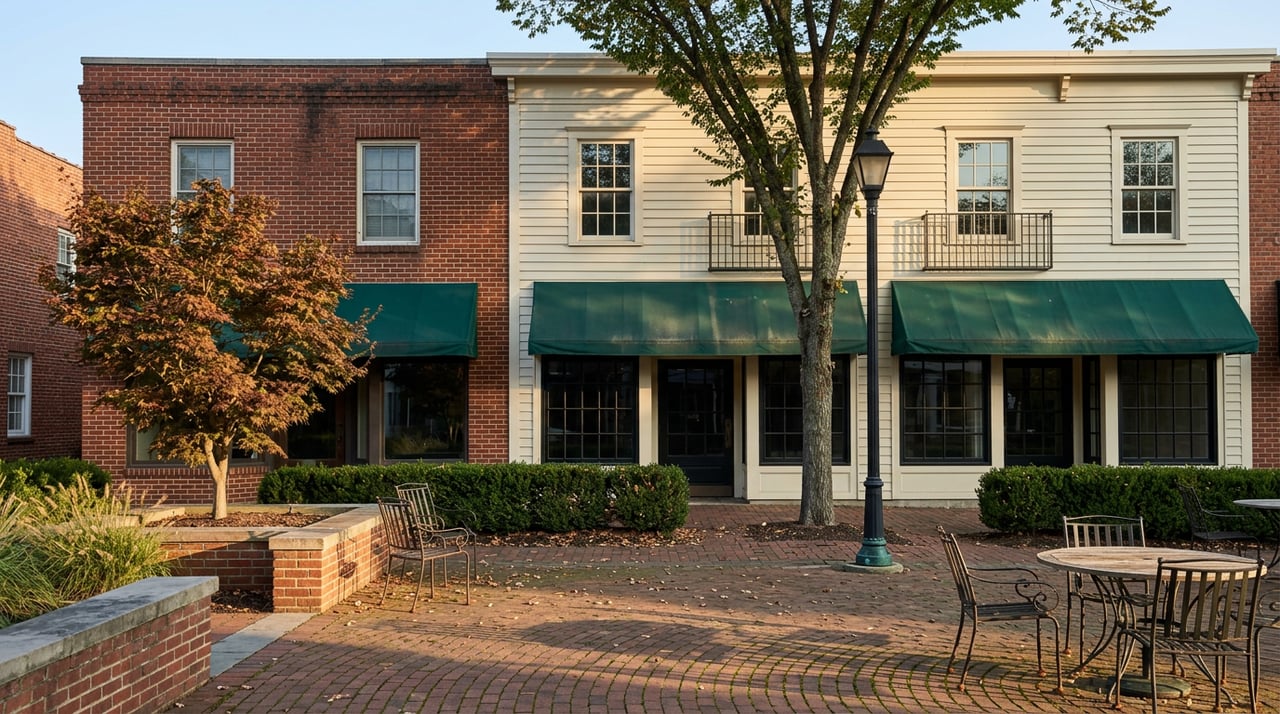
For private club amenities, River Bend Golf & Country Club offers golf, tennis, a pool, and family programming close to home. You can learn more about membership options at River Bend Golf & Country Club. In the village, you will find small shops, restaurants, seasonal farmers’ markets, and summer concerts on the green supported by the Celebrate Great Falls Foundation.
A practical buyer checklist for Great Falls
Use this quick list as you evaluate homes:
- Lot and layout: Confirm acreage, setbacks, driveway access, and how the land lives day to day.
- Septic and well: Order full inspections and maintenance records. Review local context on septic and wastewater. Budget for periodic pumping and system care.
- Trees and drainage: Consider a tree assessment and a drainage survey, especially on larger or sloped lots.
- HOA and covenants: Many Great Falls neighborhoods are low-HOA, but confirm rules for any subdivision of interest.
- Property taxes: Use the county rate of $1.1225 per $100 for a rough estimate and check for special districts. See Fairfax County’s tax rate page.
- Utilities and broadband: Confirm provider options and speeds by address.
- School verification: Check address-level assignments and stay current on FCPS discussions using FCPS boundary review materials.
- Commute test drives: Run AM and PM tests for your typical routes to Tysons, McLean, D.C., and Dulles.
Is Great Falls the right fit for you?
Choose Great Falls if you value space and privacy, enjoy an active outdoor life, and want a calm, estate-style setting with quick access to parks. Expect to drive for most errands and activities, and plan ahead for school runs and appointment windows. If that tradeoff feels right, you will likely love the lifestyle here.
Ready to compare neighborhoods, estimate your sale proceeds, and tour the right listings with a calm, white-glove approach? Connect with Gwak Homes for buyer and seller representation, a data-backed valuation, professional media and staging, and a vetted vendor concierge.
FAQs
What is daily life like in Great Falls, VA?
- You get estate-style space, a quiet setting, a small village center, and quick access to Great Falls Park and Riverbend trails, with most errands done by car.
How much do homes cost in Great Falls as of early 2026?
- Portals place values in the mid 1 million to 2 million dollar range, with many custom estates selling from roughly 2 million to 5 million dollars plus depending on lot size and finish.
Which public schools serve most of Great Falls addresses?
- Many areas feed Great Falls Elementary, Cooper Middle, and Langley High, but always verify address-level assignment and note ongoing FCPS boundary review activity.
Does Great Falls have public sewer and water everywhere?
- No, many homes use private well and septic, which is common given the large-lot pattern, so plan for inspection, maintenance, and system education.
Is there a Metro station in Great Falls, and how long is the commute?
- There is no Metro station in Great Falls; most residents drive to Silver or Orange Line stations and average commute times around 22066 trend near 35 minutes depending on destination.
What outdoor highlights define Great Falls?
- Great Falls Park’s Potomac overlooks, Riverbend Park’s trails and river access, and Turner Farm’s equestrian and observatory programs anchor a strong outdoor lifestyle.