Thinking about buying in Ashburn and not sure if an HOA is right for you? You are not alone. Many neighborhoods here are part of master-planned communities with active associations, while others offer independent, no-HOA living. In this guide, you will learn how HOAs work in Northern Virginia, what non-HOA life looks like, and how to compare total costs and trade-offs. Let’s dive in.
Ashburn overview
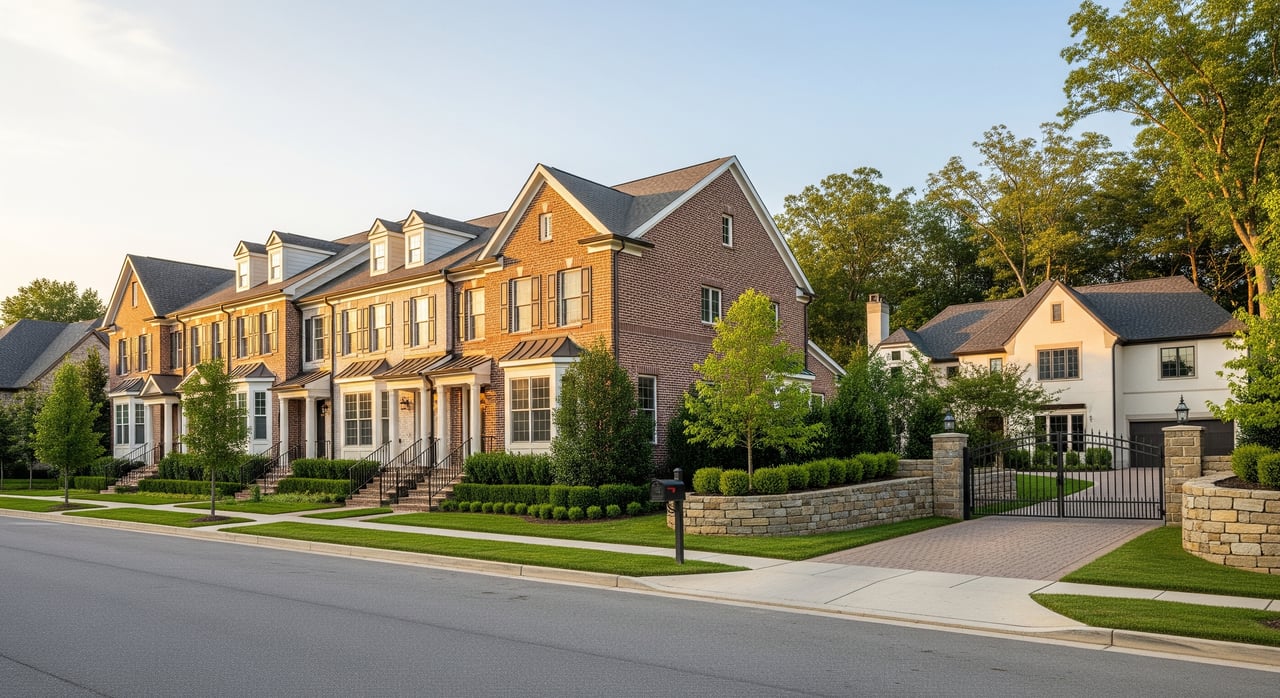
Ashburn sits in Loudoun County within the greater Washington DC area. You will find a mix of master-planned communities, townhome and condo developments, and single-family pockets without associations. Well-known areas like Broadlands, Brambleton, Lansdowne, and One Loudoun often include associations within their neighborhoods.
In this market, many buyers expect amenities and plan for HOA dues as part of affordability. Others prefer the freedom of a non-HOA property. Your best choice depends on lifestyle, budget, and long-term plans.
HOA basics: what’s typically included
HOAs and condo associations operate under recorded governing documents. In Virginia, these include the Declaration of Covenants, Conditions and Restrictions, Bylaws, and Rules and Regulations, and they function within state law for property owners’ associations and condominiums.
Common HOA inclusions vary by community, but often cover:
- Common-area maintenance such as landscaping, entry signage, medians, and private street lighting
- Amenities like pools, playgrounds, courts, clubhouses, trails, dog parks, and community events
- Exterior maintenance for some homes, especially in townhome or condo settings, which may include roofs, siding, or lawn care
- Some utilities or services in condo settings, such as water, sewer, or trash
- Master insurance for common areas, management company fees, legal and accounting
- Reserve fund contributions for long-term capital projects
Most associations have an Architectural Review Committee. You typically need approval for exterior changes like paint colors, additions, roofing, fences, and major landscaping. Rules often also cover parking, trash, noise, signage, holiday displays, and rentals.
Non-HOA living: what to expect
If you choose a home without an HOA, you gain flexibility but take on more responsibility.
Advantages:
- Freedom to change exteriors, park vehicles, decorate, and choose fencing within local codes
- Potentially lower recurring costs since there are no HOA dues
- Simpler ownership for buyers who prefer fewer use restrictions
Trade-offs:
- You handle all exterior maintenance, lawn care, snow removal on your property, and most repairs
- No shared amenities, so you cover your own recreation options
- Appearance can vary by property, which may affect long-term neighborhood feel
- Fewer formal dispute-resolution paths with neighbors
Financially, remember that no dues is not free. Budget for long-term repairs like roofs, siding, driveways, and seasonal upkeep. Over time, these costs can exceed HOA dues depending on the property and your standards.
HOA rules and governance
Associations are led by a volunteer board, a professional management company, or both. Good governance shows up in timely communication, clear budgets, and well-kept common areas. You should be able to review budgets, financials, meeting minutes, reserve studies, and resale disclosures.
Enforcement typically starts with warnings and can escalate to fines and liens for unpaid assessments. In some cases, state law allows associations to pursue foreclosure. If you plan to renovate, ask how long Architectural Review Committee approvals usually take and what conditions are common.
Costs: compare apples to apples
One of the clearest ways to decide is to compare the full annual cost of ownership.
For a home with an HOA, total cost usually includes:
- Mortgage, property taxes, and homeowner insurance
- HOA or condo dues
- Utilities that are not covered by the HOA
- Maintenance for items you still own privately, like HVAC or interior systems
For a non-HOA home, total cost usually includes:
- Mortgage, property taxes, and homeowner insurance
- Annual maintenance and reserve savings. A common long-term guideline is 1 to 3 percent of the home’s value each year, adjusted for the home’s age and condition
- One-time repairs and upgrades you plan to do soon after closing
Also consider special assessment risk. In HOA communities, strong reserves reduce the chance of surprise costs. Review the reserve study and recent assessment history.
Decision checklist
Use this framework to choose the best fit for your Ashburn lifestyle.
Step 1 — Clarify lifestyle priorities
- Do you want community amenities and social programming?
- Do you prefer low exterior upkeep?
- Are you comfortable with appearance rules and approvals?
- Do you plan to rent the property or run a home-based business?
Step 2 — Gather HOA documents for any HOA property
- CC&Rs, Bylaws, Rules and Regulations
- Current budget and recent financial statements
- Reserve study and current reserve balance
- Meeting minutes from the last 12 to 24 months
- Current assessments and any pending or recent special assessments
- Resale or estoppel certificate with amounts owed at closing
- Management contract and manager contact info
- Master insurance declarations and claim history
- Litigation disclosures or notice of pending suits and liens
- Rental, pet, parking, and architectural guidelines
- Neighborhood map showing common areas and private responsibilities
Step 3 — Run a side-by-side financial comparison
- Add your mortgage, insurance, taxes, dues, and utilities not covered
- Estimate annual maintenance for private items in an HOA
- For non-HOA, set an annual reserve target and list upcoming repairs
- Compare totals and adjust for one-time projects or upgrades
Step 4 — Confirm restrictions and flexibility
- Review rental rules including any caps or minimum lease terms
- Check pet and fencing rules if those matter to you
- Ask about ARC approval timelines for planned renovations
Step 5 — Think about resale
- Look at recent comparable sales in similar HOA or non-HOA settings
- Consider the likely buyer pool in Ashburn based on amenities, maintenance, and location
- Note that well-run, well-funded HOAs can support values, while poorly run associations can hinder sales
Practical questions to ask
When you find a home you like, ask:
- How much are the current dues and what exactly do they cover?
- Have there been special assessments in the last 5 to 10 years?
- Is there pending or recent litigation involving the association?
- How healthy are the reserves and when was the last reserve study completed?
- What rules are most frequently enforced in this community?
- Who manages the community and how responsive are they?
- What is the typical timeline for ARC approvals?
Red flags to watch
- Repeated or large special assessments without a long-term plan
- Low or zero reserves compared to upcoming capital needs
- Pending litigation that could create financial exposure
- Poorly maintained common areas despite high dues
- Rules that conflict with your goals, such as strict rental bans if you plan to rent
- Slow or opaque delivery of resale documents or limited transparency
Resources and next steps
For HOA properties, request the full resale package early so you have time to review. For non-HOA homes, plan a thorough inspection and build a realistic maintenance budget.
Useful resources include the Community Associations Institute for consumer guides, Virginia statutes that govern property owners’ associations and condominiums, Loudoun County land and plat records, and local title companies or real estate attorneys for document and lien review. Local appraisers and experienced agents can help you see how the market is currently valuing HOA versus non-HOA homes in Ashburn.
Ready to compare specific neighborhoods and line up your costs and options? Reach out to Gwak Homes for local guidance and a clear plan from search to close.
FAQs
What do HOA dues in Ashburn typically cover?
- Dues often fund common-area upkeep, amenities, management, master insurance, and reserves, and may include some exterior maintenance or utilities in condo settings.
How can I tell if a specific Ashburn home has an HOA?
- Check the listing details, ask your agent, and review recorded documents or the resale package that confirms association status and obligations.
What is a reserve study and why does it matter?
- A reserve study estimates future capital repair costs and sets funding targets, which helps reduce the risk of special assessments.
What should I review before buying into an HOA in Virginia?
- Request CC&Rs, Bylaws, Rules and Regulations, budget, financials, reserve study, meeting minutes, assessment history, insurance declarations, litigation disclosures, and the resale certificate.
What are the main trade-offs with non-HOA homes in Ashburn?
- You gain flexibility and avoid dues, but you assume full exterior maintenance responsibility and do not have shared amenities or formal rule enforcement.
How do HOA rules affect renovations or rentals?
- Most HOAs require architectural approval for exterior changes and may have rental caps or minimum lease terms, so confirm timelines and restrictions before you commit.